Our impact
2025-2026
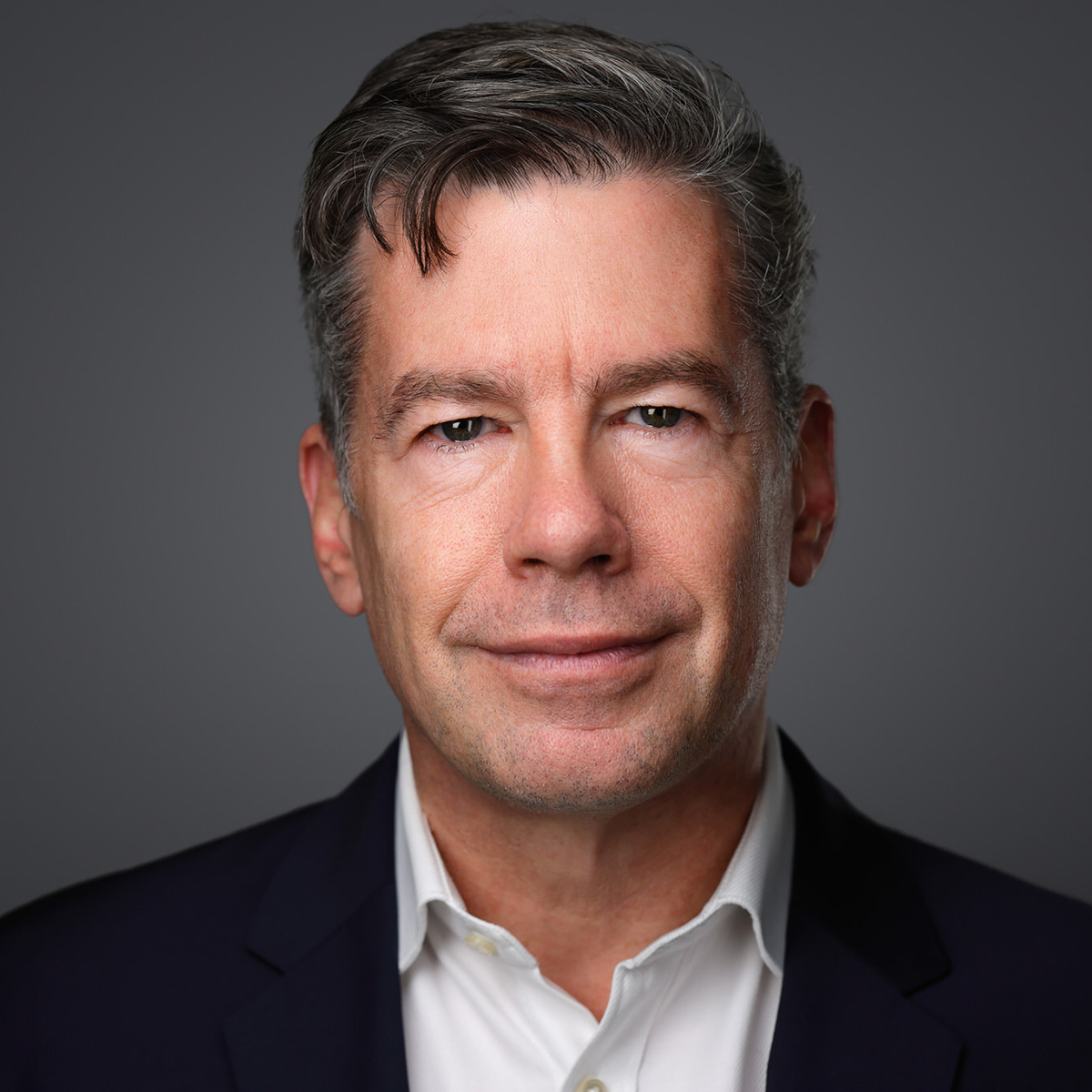
Letter from our CEO
This year marks the centenary of the Slavery Convention, when the international community committed to end slavery in all its forms. Yet, 100 years on, exploitation thrives around the world. The purpose of the Freedom Fund is to change that.
This year also marks my last as CEO. I will be leaving in December with enormous gratitude for my colleagues, our frontline partners and our supporters. Difficult though it is to leave, I will do so knowing the organisation is in peak health, with a powerful new strategy in place, robust finances and an outstanding team.
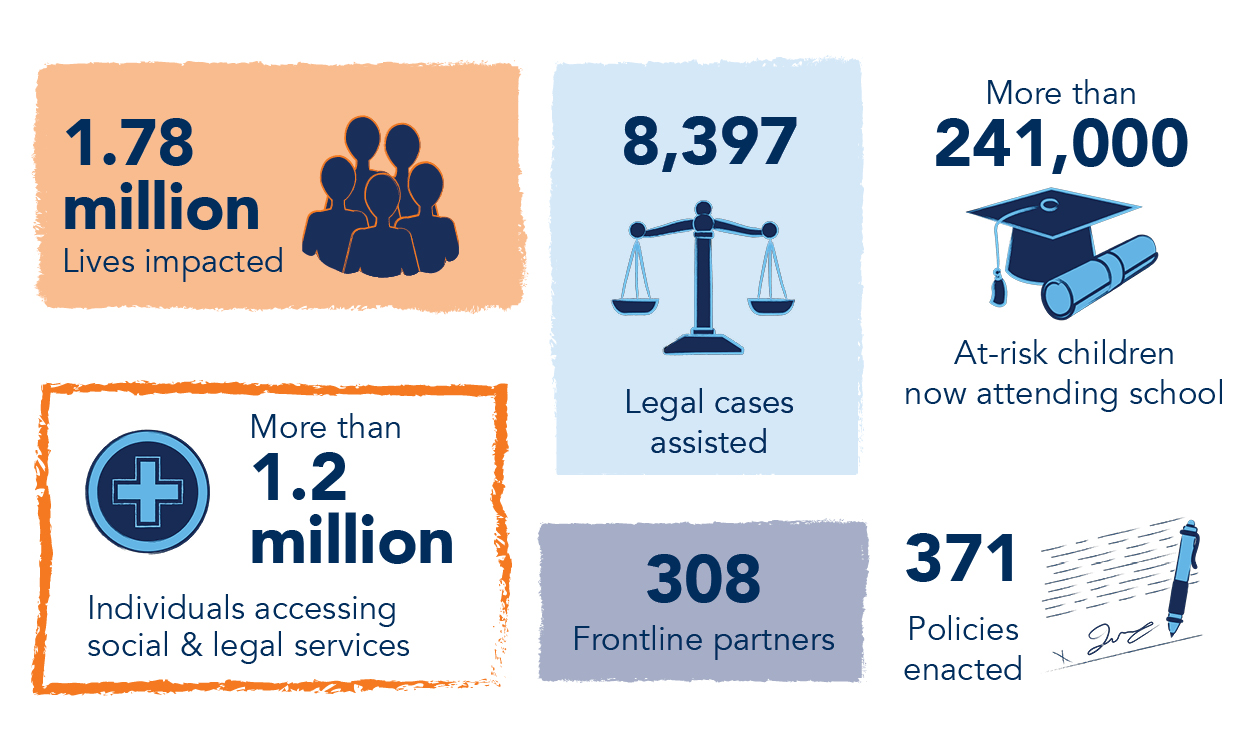
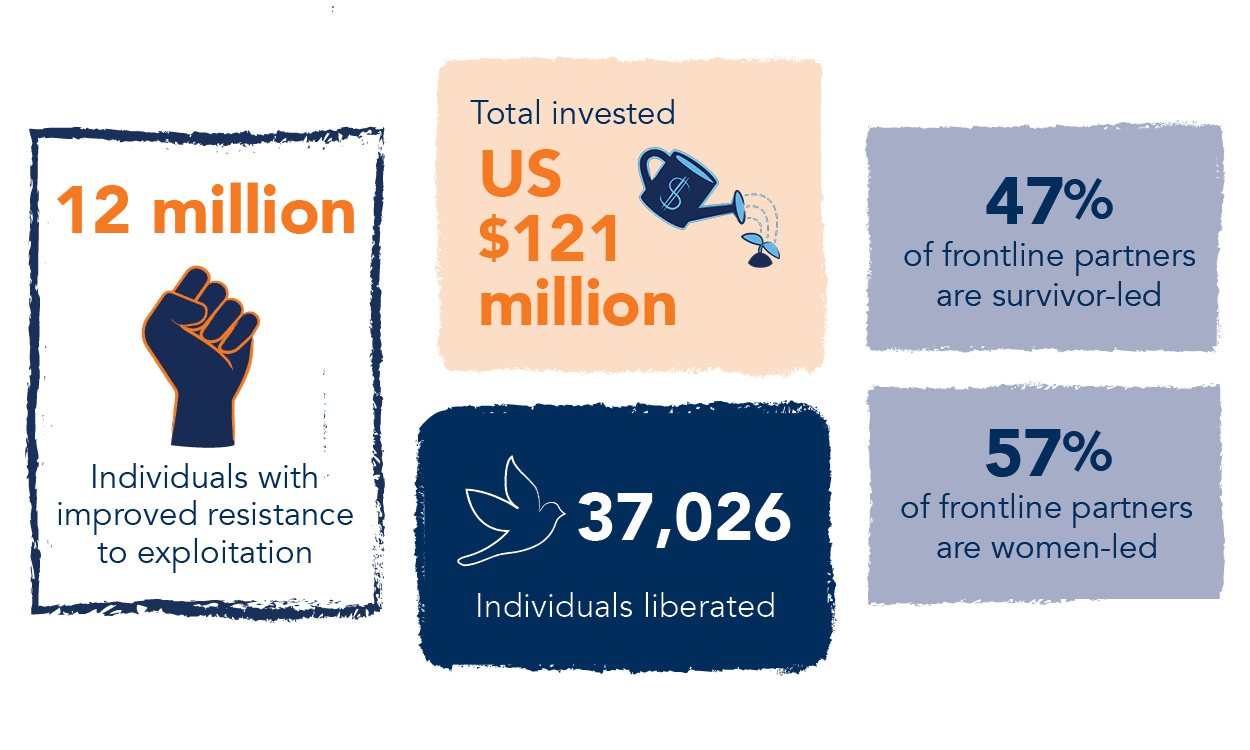
Since 2014 we have directly reached nearly 1.8 million people across 12 countries and strengthened the resilience of 12 million more against exploitation. Those numbers matter. But it is the deeper, systems‑level change of which I am most proud: more than 300 organisations made more sustainable, connected and effective — nearly half led by survivors; a growing commitment to evidence‑based research and interventions; laws that better protect vulnerable workers and deliver justice; and new donors funding the fight against modern slavery.
With a big second gift from MacKenzie Scott in November 2025, we are primed to deliver even greater impact. Against a backdrop of shrinking funding and rising threats to human rights work, Scott’s generosity is both an endorsement of the collaborative funding model and a powerful vote of confidence in our results.
It also carries enormous responsibility. We believe the best way to honour her gift, and those of our other generous funders, is to put these resources into the hands of frontline leaders too often overlooked by philanthropy. That means deepening support for survivor‑led organisations and giving our partners more flexibility and autonomy in how they use funding. It allows us to continue to grow key programs in Brazil, Nigeria, Bangladesh and elsewhere, launch a new child marriage‑focused hotspot in Uganda and recommit to advocacy and legal strategies addressing forced labour in supply chains — even as other funders have withdrawn from the corporate accountability space.
The Freedom Fund rests on a conviction that modern slavery is not intractable — that with the right resources, knowledge and leadership, communities exploited for generations can experience freedom. Our partners demonstrate this every day, dismantling systems of exploitation that many assumed were permanent. That work continues. I’m honoured to have played a part in it and will be cheering the Freedom Fund and its partners on as they drive ever greater change in the years ahead.
Nick Grono
CEO, The Freedom Fund
Global impact
January 2014 – December 2025
Our year in review
The year 2025 was one of significant change for our organisation. None of our progress would be possible without our team, and it was a year in which we asked a great deal of them. We undertook a comprehensive review of our internal operations and structure, and made several decisions to ensure we could continue to deliver on our mission with clarity and discipline.
Those decisions were built on a year‑long consultation in 2024 with partners, donors and staff, which shaped our strategy through 2030. The strategy reaffirmed our commitment to being flexible frontline funders, elevating our partners’ work and mobilising resources to end modern slavery. It also brought to light that some programs and processes needed streamlining because of the demands on staff and the additional complexity for grantees. In order to direct a greater proportion of our resources to frontline organisations and truly enable their autonomy, we needed to make some deliberate shifts.
In response, we stepped back from programs where our role had become more implementation‑oriented. We introduced a more straightforward grantmaking system, reviewed our due diligence processes and adjusted the data that we requested from partners. We scrutinised all non‑grant programmatic costs. And we restructured our talented and deeply committed team to better serve these changes.
As a result we are now better positioned to support our partners through a challenging season. When the U.S. government froze foreign aid funding in early 2025, we had already begun this process. Throughout this period, colleagues carried an extraordinary load: managing nuanced donor conversations, supporting partners to sustain or scale efforts where possible, and modelling listening and humility across all our programs.
When we got the announcement that we had received a second transformative gift from MacKenzie Scott, we felt both grateful and ready. During a time of dramatic cuts to human rights funding, the gift was not just a relief, it was a recognition of the power of our partners’ work and a vote of confidence in our long‑term vision. The changes we made have equipped us to pass on the trust and generosity of Scott’s gift to our partners. With this gift, we can continue to be a stable, dedicated funder for the long haul.
Havovi Wadia
Managing Director of Programs

Hotspot snapshots
Brazilian Amazon
The Amazon hotspot addresses both the immediate protection needs of communities and the structural drivers of exploitation. The program strengthens the capacity of local civil society organisations and fosters collaboration among public officials, NGOs and Amazonian communities, while working to curb the commercialisation and export of products derived from forced labour in timber and livestock supply chains.
In 2025, partners worked across local, state and national levels to strengthen anti-slavery systems. Nationally and regionally, partners played a key role in advancing the National Plan to Eradicate Slave Labour and a similar state-level policy in Pará. Partners also fostered new collaboration among environmental agencies, law enforcement and labour inspectors that improves identification of forced labour in deforestation contexts. In Amazonas, partners integrated anti-slavery efforts into municipal systems by training frontline health and social workers. At the local level, partners strengthened community protection by connecting affected communities with authorities, improving local monitoring and helping workers identify and respond to forced labour.
COP30, the 2025 UN Climate Change Conference, was hosted in Belém, Brazil, with the goal of aligning global climate action with forest protection, human rights and a just transition. However, official negotiations failed to make progress on key issues including deforestation, climate finance and the links between forced labour and climate change.
Outside the formal process, partner CPT played a leading role in organising the COP do Povo (People’s COP), a counter-forum bringing together grassroots movements, Indigenous organisations, rural workers and civil society to amplify historically marginalised voices. The People’s COP drew 12,000 participants across 132 events involving 100 organisations. A “people’s tribunal” was organised to review cases of rights violations, including forced labour, resulting in 800 companies being symbolically convicted of complicity in the destruction of the Amazon and the violation of community rights. While not legally enforceable, the tribunal sent a powerful signal against corporations using exploitation in their supply chains.
Following sustained civil society advocacy and a federal court decision, the Pará state agricultural agency released detailed cattle movement data, improving the ability to trace supply chains and identify links to deforestation and forced labour, even if the data remain incomplete. Investigations led by partners including Reporter Brasil exposed connections between financial institutions and companies involved in labour abuses, increasing reputational pressure and prompting corrective actions, including agreements requiring companies to compensate those affected and improve practices.
Climate Rights International and Reporter Brasil published a report exposing how human rights abuses fuel cattle-driven deforestation in Brazil and linking sports apparel and fashion brands to these abuses through their leather supply chains. The report found industry efforts to eliminate these harms inadequate and outlined how the Brazilian government could compel more effective due diligence across the cattle sector.
Ethiopia
The Ethiopia Safer Migration hotspot works to reduce the risk of trafficking and exploitation for Ethiopian women migrating to the Middle East as domestic workers. Partners provide shelter, trauma counselling and reintegration support for returnees, alongside pre-departure education and skills training for prospective migrants. The hotspot also engages government on policy reform to improve migration management and supports the organising efforts of survivor-led groups.
In 2025, shelter partners provided sanctuary for those fleeing domestic servitude abroad, with 728 returnees and children receiving comprehensive shelter care, psychiatric support and medical treatment. An additional 84 individuals were supported with services designed to ensure their emotional and physical stability.
After a decade of advocacy, management of overseas employment in Addis Ababa was moved from local bureaus to an independent structure under the National Partnership Coalition, overseen directly by the Office of the Mayor and City Council. At grassroots level, 50 Iddirs collectively authored 62 bylaws to regulate and prevent trafficking in their neighbourhoods. The model was officially adopted city-wide by the Addis Ababa Iddir Council, weaving anti-trafficking efforts into the fabric of community life. In the Amhara region alone, increased community vigilance led to 98 reports of irregular migration brokers in a single quarter, demonstrating the growing capacity of communities to identify and report illegal recruitment practices.
The program’s specialised legal support tools empowered survivors to come forward despite regional instability, resulting in 259 enforcement actions in a single quarter, including 164 active prosecutions and 52 convictions. By integrating migration indicators into the monitoring checklist of the Addis Ababa City Administration Council’s Peace, Justice and Good Governance Standing Committee, the program has ensured that migration issues are elevated to the forefront of public governance.
The hotspot has long supported the establishment of four survivor-led organisations—Kasma, Biruh Addis, Finot and Misale. These organisations have grown from localised support groups into a unified coalition that amplifies the voices of the marginalised in high-level policy spaces. They now provide an advocacy platform for potential migrants, migrant returnees and survivors.
Indonesia
The Indonesia hotspot works to combat forced labour and human trafficking in the seafood industry — one of the country’s largest sectors — where fishing vessel crews and processing plant workers are routinely exposed to deceptive recruitment, debt bondage and abuse. The hotspot focuses on restoring rights and improving direct access to legal assistance and social security for migrant and domestic seafood workers, while strengthening civil society and worker-led organisations to support collective action and accountability.
A key achievement of 2025 was the institutional maturation of grassroots organisations. The Women Fishery Workers Union of North Sulawesi completed its transition to a fully independent organisation, establishing its own governance structure and recruiting 476 new members. Partner Serikat Buruh Migran Indonesia extended its reach beyond Indonesia, delivering peer training for Indonesian fishers in Fiji and establishing a migrant worker secretariat in Taiwan, building protection infrastructure where Indonesian workers actually are.
In 2025, partners moved beyond individual cases to address structural gaps. Indonesia Ocean Justice Initiative successfully lobbied the UN Committee on Migrant Workers to issue a formal recommendation that Indonesia adopt a single, rights-based licensing regime under the Ministry of Migrant Workers. Meanwhile, Destructive Fishing Watch contributed research on cost-of-living and pay disparities that informed revisions to Ministerial Regulation No. 33/2021, strengthening standardised employment contracts and documentation requirements for fisheries crew. While the regulation does not establish statutory minimum wages, it improves legal oversight and reduces regulatory gaps that previously enabled underpayment.
The KPPI, a national coalition of four partners and other civil society groups, advocated for standardised labour inspections in seafood hubs to counter the rise of company-controlled unions. These efforts culminated in a joint referral and ethics protocol, creating a unified framework for collective advocacy. In addition, KPPI secured approval from the Ministry of Manpower for a joint inspection of seafood processing companies in Muncar — the first time trade unions, NGOs and media would accompany government inspectors in Indonesia. The inspection is expected to take place in 2026.
Forced labour
“Cachimbo” returns home
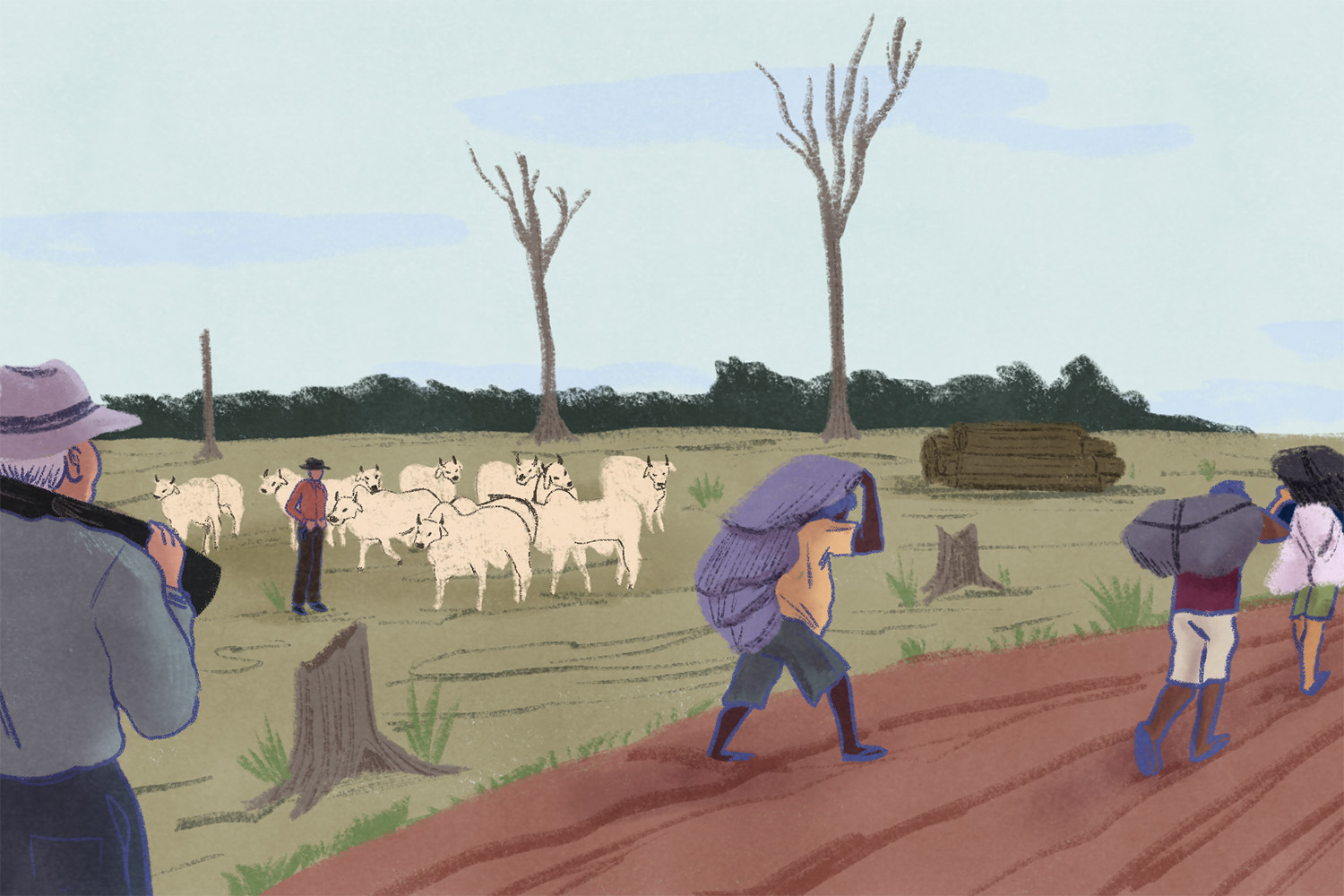
Salomão Rodrigues Feitosa, a survivor of forced labour in the Amazon, spent his life as an undocumented itinerant farmworker, leaving him excluded from healthcare, social protection and citizenship rights well into old age. After residents found him living in precarious conditions, they referred him to partner Comissão Pastoral da Terra (CPT), which mobilised a network of local institutions to secure his documentation, healthcare and social benefits. Once a court authorised his birth certificate, CPT helped him access income support and reunite with family. His health has since improved significantly.
Salomão’s case demonstrates how coordinated civil society action can overcome bureaucratic barriers that often trap vulnerable workers in situations of exploitation.
Learning her rights and speaking out

For the first time, I felt someone believed my story and stood beside me. I learned that what happened to me was wrong, and that I have rights.
~ Marta (pseudonym), trafficking survivor
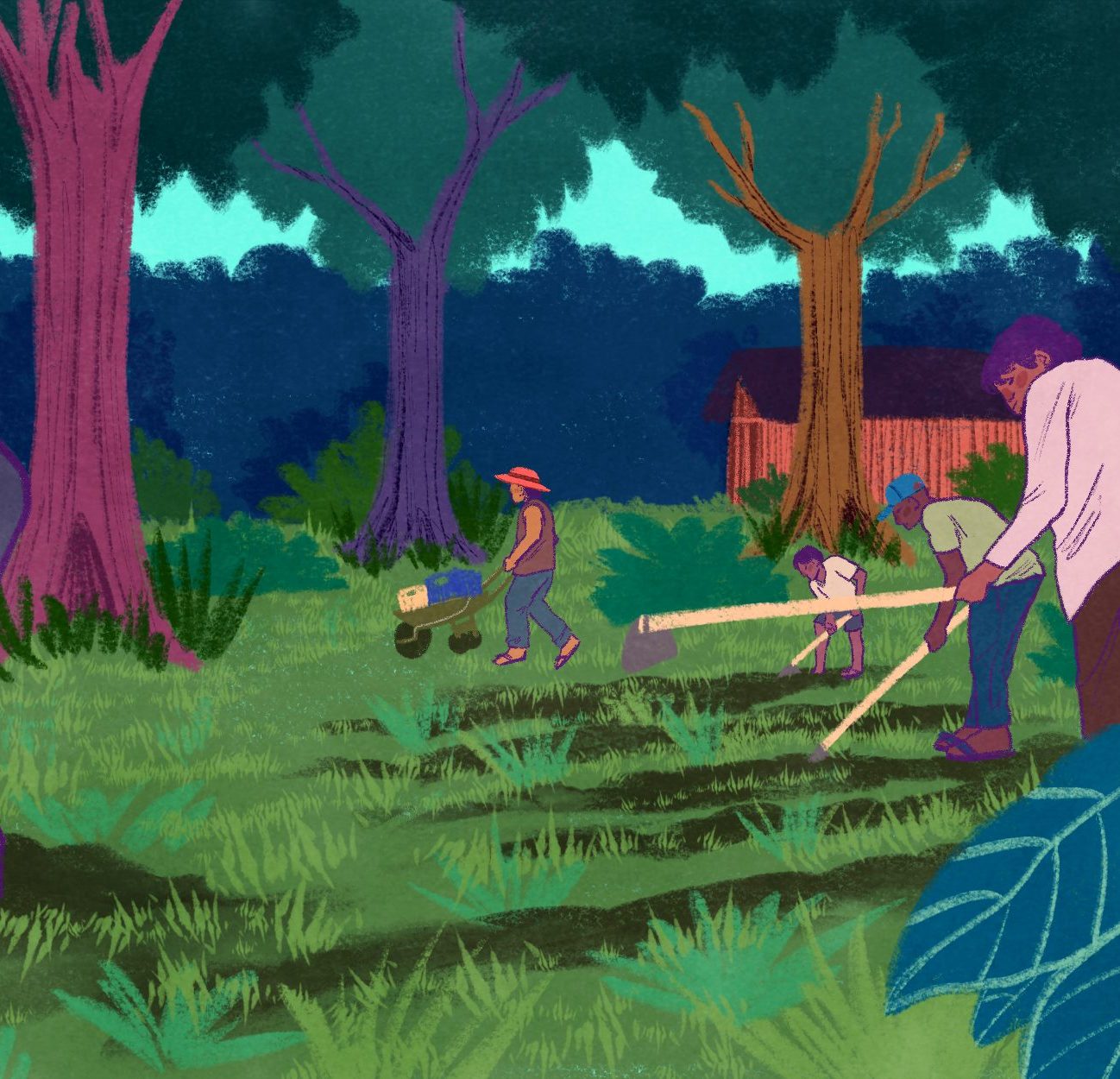
Marta was trapped in domestic servitude in the Middle East after migrating through informal channels under the false promise of fair wages. She faced excessive hours, restricted movement and non-payment. Upon returning to Ethiopia, she was referred to partner Agar Ethiopia, where she received immediate shelter, medical care and specialised psycho-social support.
Following counselling and legal guidance, Marta was formally identified as a trafficking survivor. Agar supported her in pursuing an administrative claim for her stolen wages. Her case also contributed to stronger coordination between service providers and government institutions. Marta now actively mentors other returnees, using her story to highlight the dangers of irregular recruitment and the importance of survivor rights.
Nepal
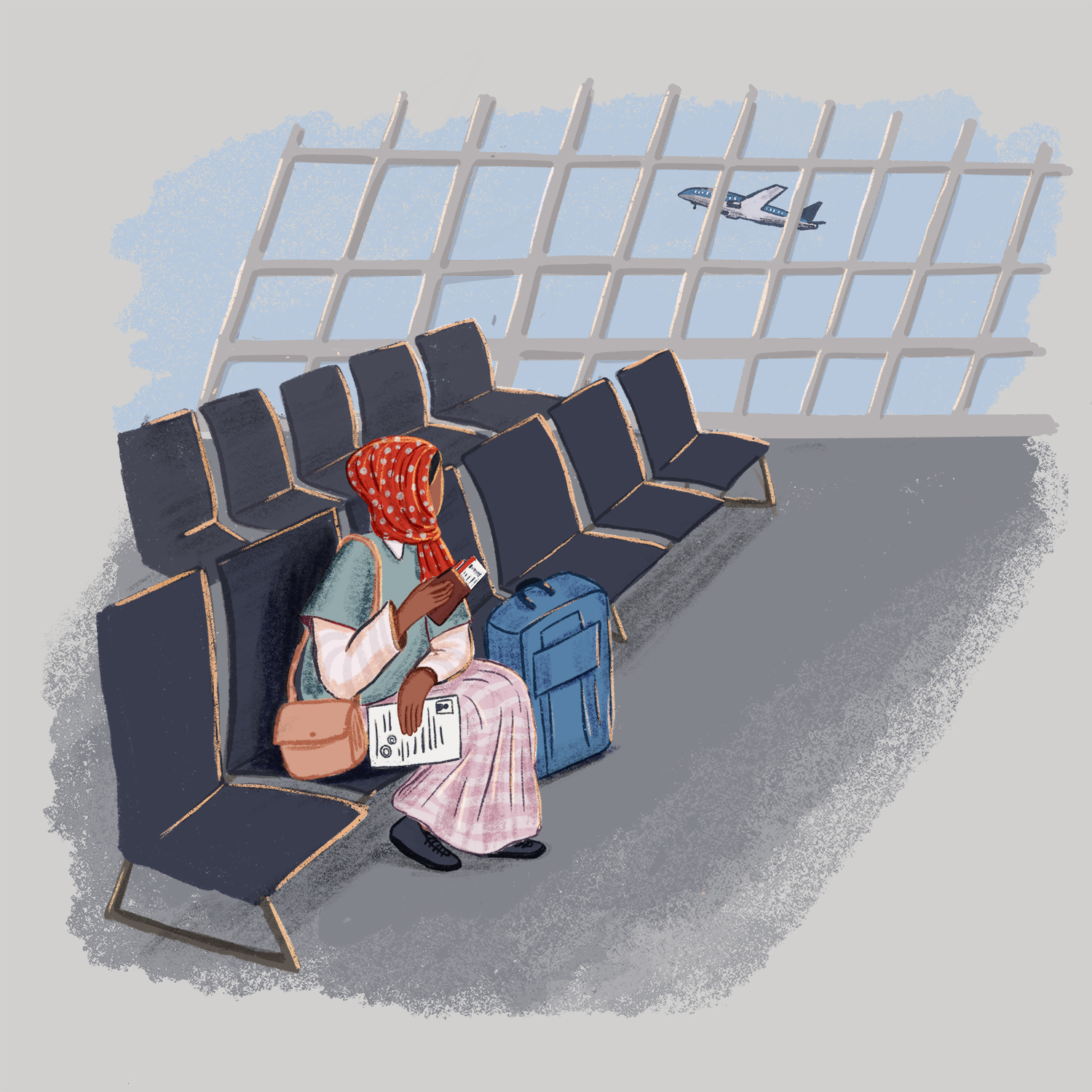
The Nepal hotspot advanced a coordinated, survivor-centred response to agricultural bonded labour affecting Harawa-Charawa, Haliya, and Kamaiya communities. Working with implementing partners, survivor-led networks, and local governments, the program focused on three interconnected objectives: building a united survivor movement, strengthening government accountability and improving community resilience.
Partners and representatives of the freed bonded labour movements continued national campaigns while intensifying provincial and local advocacy. This achieved significant wins, including greater government resources for affected communities and municipal commitments to strengthen labour monitoring, school enrolment and child protection. Several municipalities also adopted procedures for the identification and documentation of Harawa-Charawa households, an important step toward recognition and access to services.
Partners continued to provide social and legal assistance, including support for 617 individuals to obtain citizenship certificates and 1011 children to receive birth registration. These documents are essential for accessing education, healthcare and government services.
In south-eastern Nepal, direct engagement with landlords and wage committees resulted in 556 Harawa-Charawa workers receiving the minimum wage for the first time. A further 1,580 people were linked to the Prime Minister’s Self Employment Programme, providing up to 100 days of paid employment per year.
A Freedom Fund legal expert worked with Kamaiya network leaders to secure land promised to them when they were declared free over a decade ago, resulting in 21 families receiving land ownership — a landmark achievement, given that land has historically been the mechanism of their bondage.
In another landmark decision, a Nepali court ruled that Harawa-Charawa families could remain in homes they had built on their landlord’s property while working for him. The landlord had sought eviction despite their years of residency.
The Freedom Fund commissioned an independent evaluation of partner ActionAid’s livelihood assistance program. The evaluation found a 39% increase in monthly household income and a 96% reduction in food insecurity. Most participants were women, and the evaluation recorded a 52% increase in women’s influence over household decision-making, a significant shift in power.
Bonded labour
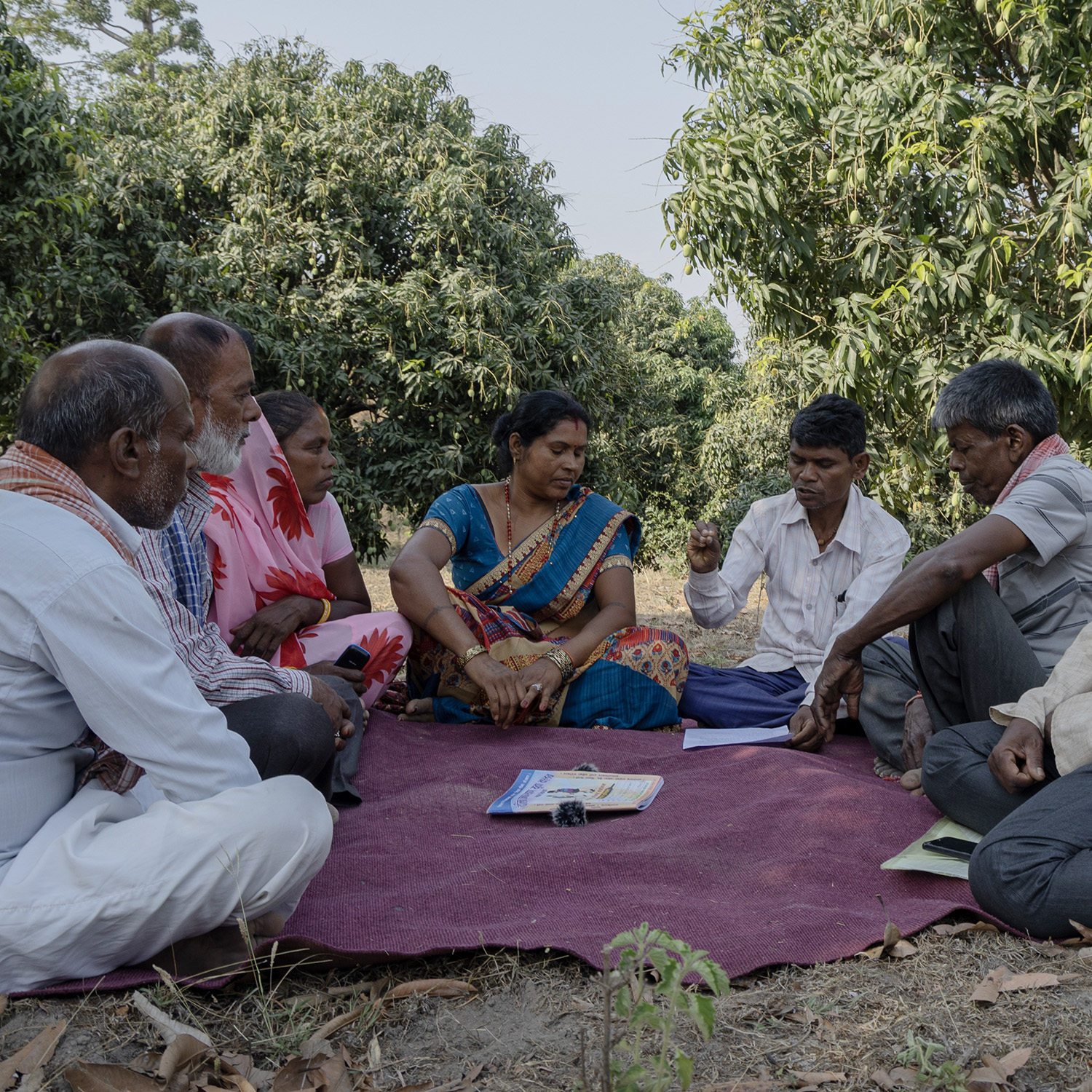
A small investment in lasting security
Phul Kumara Sada received a small loan and livelihoods training from partner ActionAid in Nepal. She invested in pig rearing, gradually building a reliable income stream. In time, she was able to repay the original loan. This contributed towards a revolving fund that enables others also to receive loans.
She used her remaining income to keep her children in school, meet household needs and begin saving.
Her experience demonstrates how small livelihood inputs, when paired with strong group accountability, can reduce reliance on exploitative labour relationships and strengthen economic security.
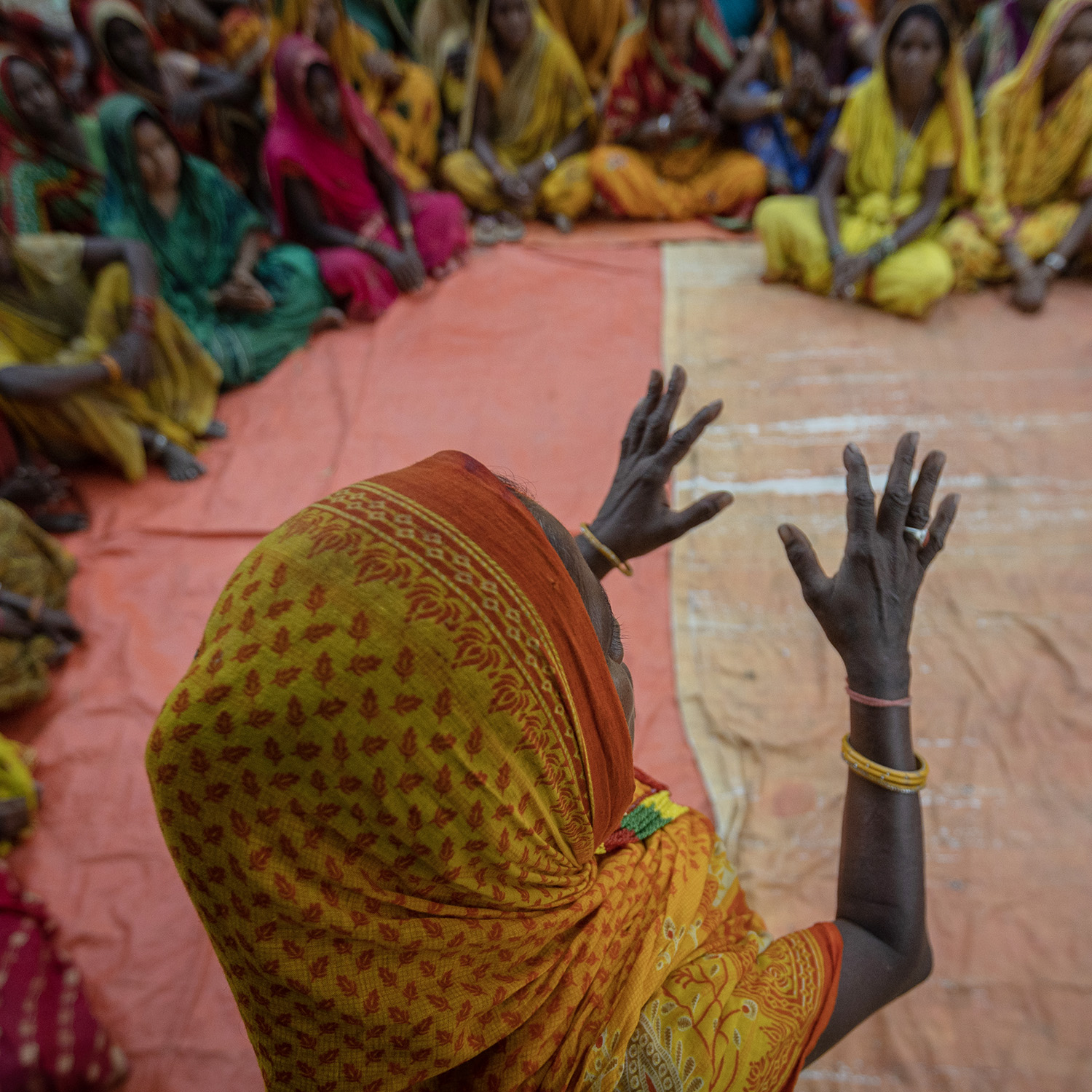
A new policy of protection
Baridi Kwa Baridi was a lone voice when it came to pushing for the covering of child domestic workers and our efforts have borne fruit.
~ Maureen Ayudi, Executive Director, Baridi Kwa Baridi
In Busia County in western Kenya, child domestic workers have long been invisible to policy and justice alike. With poverty rates at 83% and the county a major transit point for child trafficking, there was a profound need for a dedicated child protection policy, yet none existed. Partner Baridi Kwa Baridi Women (BKB), a community-based organisation working with vulnerable children in Busia County, made changing that central to their mission.
BKB helped convene a coalition to develop Busia County’s first ever child protection policy, pushing for the explicit inclusion of child domestic workers through working groups, radio appearances and community forums. Their persistence paid off. The policy, launched on the Day of the African Child in June 2025, includes a dedicated clause protecting children in domestic work from all forms of abuse.

Ethiopia
The Ethiopia child domestic workers (CDWs) hotspot aims to measurably reduce domestic servitude among girls by strengthening community and government protection, promoting survivor-centred reintegration, and improving labour conditions and rights.
By engaging a broad range of stakeholders, from transport hub recruiters to informal community structures, the hotspot has reached thousands of employers, empowered hundreds of recruiters to identify at-risk children and established state-adopted frameworks for reducing domestic servitude.
The most sustainable element of the program is the evolution of traditional community structures into human rights watch groups. In 2025, these grassroots groups conducted door-to-door monitoring reaching more than 200 households and identifying at-risk children. The model has been adopted by local governments, ensuring it persists beyond the Freedom Fund’s direct involvement and demonstrating that community-owned protection endures even when external funding fluctuates.
In 2025, three CDWs were elected to the Addis Ababa Child Parliament, the first time CDWs had been formally included, with one appointed head of the Volunteer Standing Committee. These young leaders have become central voices in national dialogues on labour and trafficking.
The Ministry of Labour and Skills committed to submitting ILO Convention No. 189, affirming the rights and minimum labour standards of domestic workers, to the Ethiopian Parliament. This is not an isolated action but the culmination of intensive, collaborative efforts by program partners, representing a significant shift toward formalising protections for a previously “invisible” workforce.
At the Fourth Africa Girls’ Summit in Addis Ababa, Ethiopian partners showcased their work through a photovoice exhibition, sparking dialogue on child domestic work as an emerging cross-border protection issue and enabling strategic engagement with the African Council of Religious Leaders and the African Union Commission.
The Freedom Fund completed an innovative project that engaged children of employers as a means of influencing how families treat child domestic workers. The project achieved promising results, including a sharp increase in school enrolment, more shared meals with the family, and greater respect for the contributions of the child domestic worker. A 2025 study showed encouraging results from our work on child domestic work in Ethiopia. Over time, conditions for CDWs whose host families received the intervention improved, including increased school enrolment (54% to 93%), reduced social isolation (36% to 18%), and significant reductions in receiving lesser-quality food and/or being made to eat separately from the family (60% to 17%).
Kenya
The Not Invisible Anymore (NIA) program works with child domestic workers, their allies, civil society organisations and government institutions to protect children in domestic work from abuse and exploitation. National-level partners drive policy advocacy, research, behaviour change communication and data strengthening. At community level, partners provide shelter, psychosocial support, skills training and livelihoods programming alongside case identification and community mobilisation. Across all levels, partners use trauma-informed, child-centred practices to strengthen prevention, protection and survivor leadership.
In 2025, the program made important progress on policy and legal reform. Partners African Institute for Children Studies, Childline Kenya, We Reach, and ICS SP led public participation forums supporting Kenya’s first nationwide consultations on ratifying ILO Conventions 189 and 190, which establish minimum labour standards for domestic workers and affirm the right to a world of work free from violence and harassment. Ratification is anticipated in 2026 and would expand access to justice, improve labour standards in private households and strengthen Kenya’s legal framework for child domestic workers.
At county level, partner Baridi Kwa Baridi successfully lobbied for the inclusion of exploitative child domestic work in Busia County’s first ever Children’s Policy. The policy establishes structures to protect children in alternative family care and domestic work. With an estimated 20,000 to 30,000 children engaged in child labour across Busia, its explicit clauses on domestic servitude give local authorities the legal basis to intervene directly in private households.
Partner Azadi hosted the inaugural East Africa Child Domestic Worker Convening in Nairobi, bringing together survivors, civil society, and government representatives from Kenya, Uganda, Tanzania, Ethiopia and Rwanda. With survivors in a central leadership role, the convening focused on cross-border solutions and cemented NIA’s role as a movement builder, elevating child domestic work from a hidden issue to a visible regional priority.
Nigeria
The Freedom Fund launched a full hotspot in Lagos, Nigeria, focused on exploitative child domestic work. Partners held their first Community of Practice in May to build collaboration and shared learning.
In 2025, partners reached more than 3.3 million people through a robust awareness and outreach campaign featuring radio broadcasts, street performances and social media. This campaign ensured that the risks faced by children in domestic work remain in public discourse.
A landmark Memorandum of Understanding between partner DEVATOP and the National Human Rights Commission formally recognised the TALKAM app — a human rights monitoring and case reporting tool — as a government digital platform, embedding survivor-centred case management into national infrastructure. DEVATOP also secured a seat on the National Steering Committee for the Elimination of Child Labour, giving grassroots voices direct access to national policy-makers.
Informal networks are proving powerful tools against child exploitation. Partners joined market leaders in Lagos State to establish a taskforce dedicated to identifying, monitoring, and reporting child maltreatment and exploitation.
The Freedom Fund hosted a first-of-its-kind convening in Lagos bringing together government, labour unions and civil society around a regional child protection agenda. Survivor Leadership Fund partners shared achievements including integration of child rights into school curricula, dedicated hotlines and direct engagement with the National Assembly. The convening resulted in commitments to establish a national survivor-led network and joint Community of Practice with hotspot partners, linking movement-building with frontline work and ensuring lived experience drives policy.
Child domestic work

Ojo's stand against child exploitation
Faced with severe economic hardship following the collapse of her business selling purified drinking water, Ojo (pseudonym) considered sending her children into exploitative domestic work as a survival tactic. Before making the decision, she attended an information session by Nigerian partner Center for the Advancement and Protection of the Rights of Vulnerable People where she learned the grave risks of child abuse and exploitation associated with the practice.
“Before the sensitisation [training], I believed sending my children to work in other people’s houses was the only way we could survive,” said Ojo. “I did not know how much danger they would be exposed to.”
Equipped with the opportunity to choose her children’s safety and education over short‑term relief, Ojo transitioned into a skills training program. She now earns a sustainable income in makeup and gele (headscarf) tying, providing for her family and paying her children’s school fees. Ojo has also become an advocate, engaging parents in her community about the exploitation risk to child domestic workers.
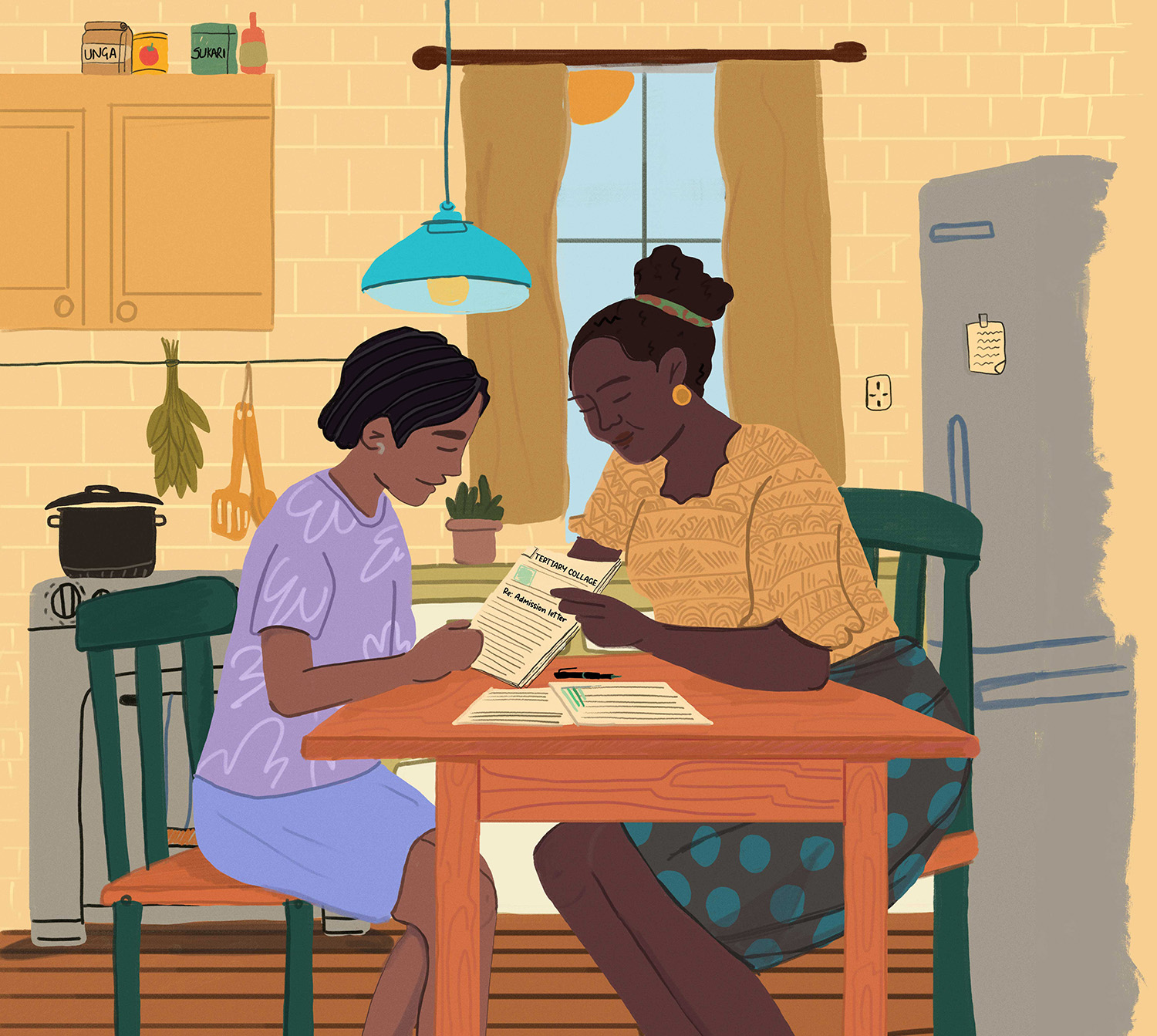
From hardship to leadership
Through my challenges I learned a lot, became a role model, and now I want to become a lawyer to stand up for and support other child domestic workers like me.
~ Akrim, trafficking survivor
After tragically losing her parents, 16-year-old Akrim found work as a child domestic worker in Addis Ababa. Facing an uncertain future, she joined partner Mission for Community Development Program’s Safe Space, where she accessed skills training, psychosocial support and advocacy education.
When child domestic workers were invited to participate in the Addis Ababa Child Parliament elections, Akrim delivered a powerful presentation on their rights and challenges. In a historic first, Akrim and two other child domestic workers were elected to the Parliament. She was chosen by peers to lead a volunteer committee, where she now supports vulnerable groups including children, the elderly and persons with disabilities.
From survivor to changemaker, Akrim shows what is possible when young people receive proper support.
Bangladesh
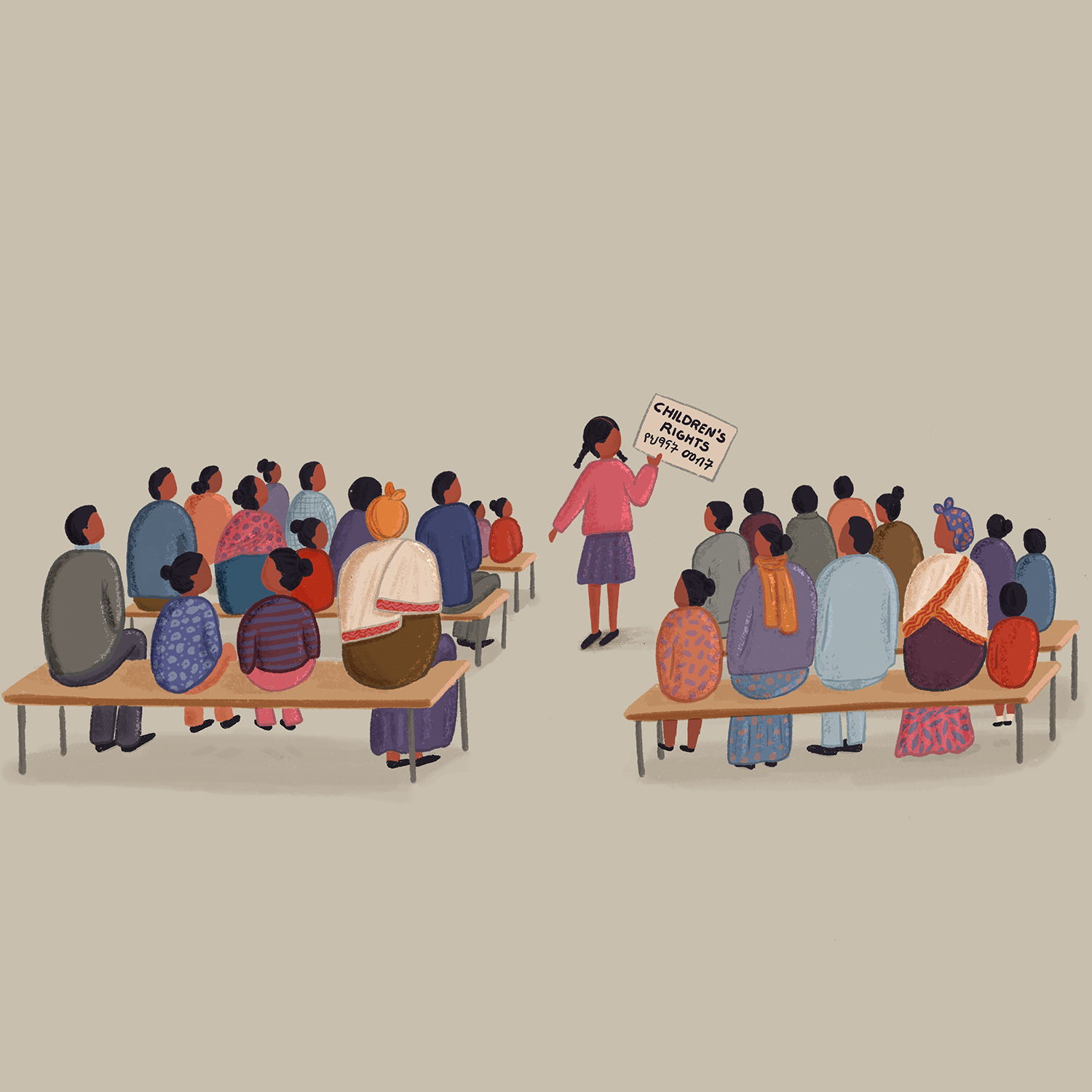
The Bangladesh hotspot combats the commercial sexual exploitation of children (CSEC) in brothel communities and on the streets. These marginalised children face extreme vulnerability due to poverty, social exclusion and weak protection systems. Traffickers exploit children through coercion and deception, and many girls in brothels are groomed into the same exploitation as their mothers.
Children born in brothels are often denied birth certificates because registration requires paternal identification. However, in 2025, partners used a little-known 2018 legal provision that allows registration without paternal identification to push for documentation. Partners organised official government visits to brothel communities in Daulatdia and mobilised local media, generating 34 stories on the issue. Partner INCIDIN successfully advocated for registration fees to be waived for survivors and vulnerable children. As a result, 710 individuals received birth certificates, unlocking access to education, healthcare and essential citizenship rights.
Partners expanded community outreach, transforming local networks into protective systems. Mothers’ groups, religious leaders, teachers, child rights monitors, transport workers and community protection committees played key roles in identifying vulnerable children, raising awareness and providing trusted reporting channels. Partners also reactivated 51 dormant government bodies to support survivors and at-risk children, including Counter Trafficking Committees, Child Welfare Boards, and Community Based Child Protection Committees.
Partners significantly scaled up referral and reintegration support for children facing commercial sexual exploitation, connecting 1,108 children to a combination of health, education, job training and social protection services—a 168% increase from 2024.
To raise public awareness about the impact of CSEC, partners ran a targeted awareness campaign in Dhaka to shift attitudes among potential perpetrators. Messages were developed and tested with students and transport workers, groups identified as high-risk in a 2024 Freedom Fund study.
Brazil
The Brazil hotspot addresses the commercial sexual exploitation of children and adolescents (CSEC) in the Recife Metropolitan Region through the Com. Direitos (“With Rights”) program, where 1 in 4 girls are estimated to be sexually exploited. Through a network of local civil society partners, it combines direct support for survivors and at-risk children with efforts to strengthen public systems, influence policy and shift the social norms that allow exploitation to persist.
In 2025, awareness efforts centred on the 25th anniversary of the May 18 Campaign — Brazil’s National Day to Combat the Abuse and Sexual Exploitation of Children and Adolescents. At state level, seminars, public events and awareness activities mobilised young people, child protection professionals and civil society. At national level, partner Childhood collaborated with the federal government on high-visibility events in Brasília, including a presentation of the Freedom of Expression exhibit featuring artwork by girls in the program. Two girls shared their stories directly with Brazil’s First Lady, Janja Lula da Silva, amplifying survivor perspectives in public debate. Across these activities, the campaign mobilised around 30,000 people, reinforcing the message that the sexual exploitation of children is unacceptable and strengthening collective responsibility for child protection.
Six program partners participated in the federal government’s launch of a review of Brazil’s National Plan to Address Sexual Violence Against Children, contributing to early discussions. The review will include regional consultations, with federal funds secured to ensure broad civil society participation.
The State of Pernambuco launched its ten-year plan to address sexual violence against children and adolescents, marking a significant milestone for the Brazil hotspot. Partners drove this achievement by providing recommendations and facilitating regional consultations to ensure diverse community voices informed the policy. This was made possible through Freedom Fund’s long-term role as convenors of partners and relevant government officials through Com. Direitos. The launch of this plan culminates several years of work advocating for more effective, coordinated action by the state.
With technical support from partner Childhood, the municipalities of Recife, Olinda and Cabo de Santo Agostinho advanced implementation of Law 13.431/2017, which establishes care protocols for child victims of violence. Recife formally approved and launched its protocol, Olinda completed referral pathways and a draft protocol awaiting approval, and Cabo de Santo Agostinho established a management committee and sectoral referral pathways across education, social assistance and public defence. These steps strengthen coordinated, non-revictimising responses for children affected by violence.
The Freedom Rising program was restructured in 2025, but the connection forged in the program continued to bear fruit. Alumni from the Recife cohort formalised plans to form a new Brazilian network called the Anti-Slavery Social Leadership Network.
Commercial sexual exploitation of children
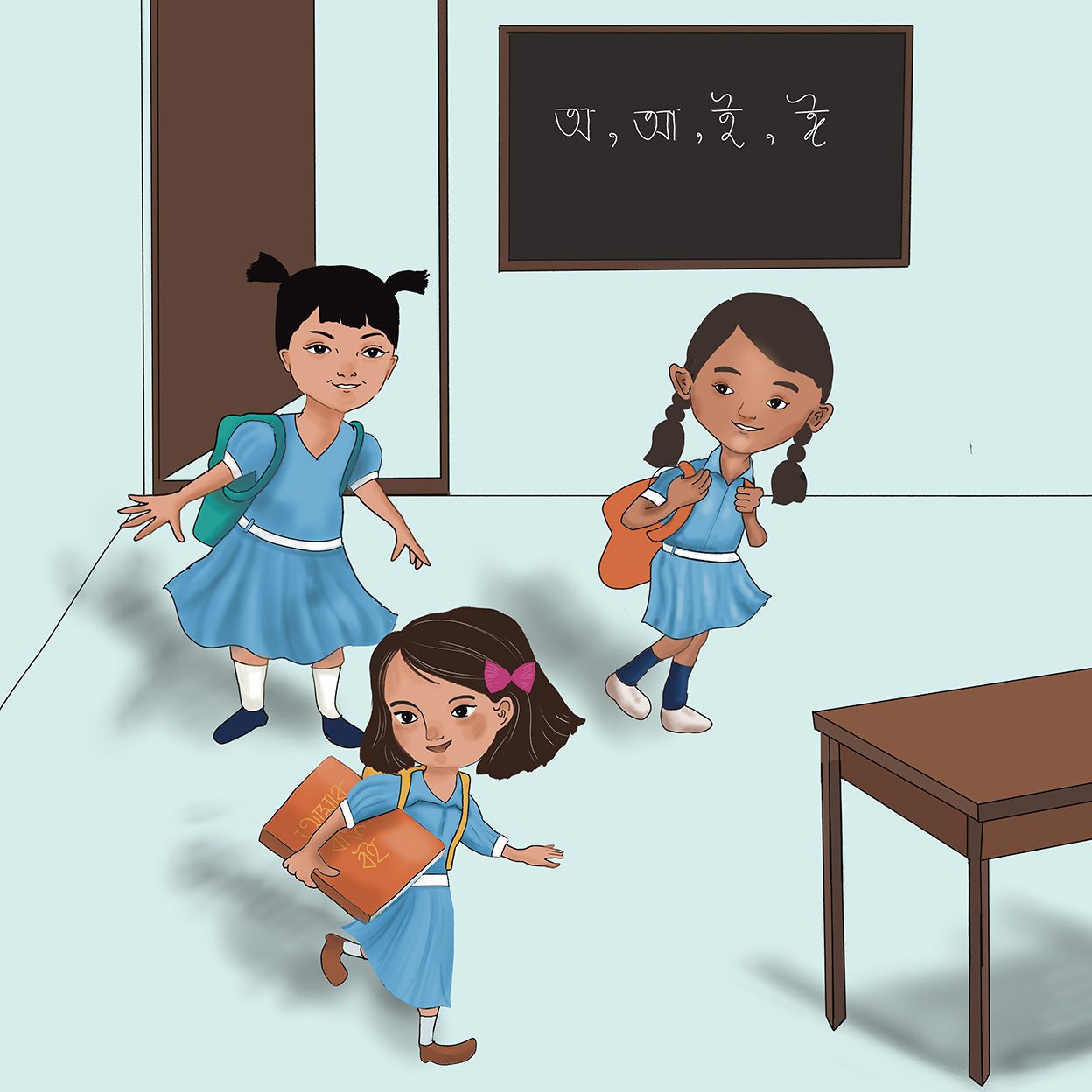
Ilana's journey to autonomy
At 16, Ilana was a survivor of sexual exploitation living in institutional care with limited prospects for education or employment. Her life trajectory changed when she was referred to partner Instituto Aliança, where she began a specialised training program. Ilana then entered the labour market as an administrative assistant through Brazil’s Apprenticeship Law program, allowing her to earn a salary while finishing her formal education.
Three years later, Ilana has achieved remarkable stability. As a young mother, she has secured independent housing and a steady income, transforming her life from one of vulnerability to one of autonomy.
Her journey highlights how institutional support and skills development can empower survivors to overcome adversity and build a dignified future.

Documentation and liberation
When I was living on the streets, I never imagined I could return to my mother or stand on my own. Today, I see my mother every day, I have a respectable job, and I am treated with dignity.
~ Halima (pseudonym), 18-year-old survivor now working as an industrial sewing machine operator
After losing her father, Halima moved to Dhaka to support her family, where she was forced into sex work for three years. In 2023, partner INCIDIN identified her as a trafficking survivor and began planning her reintegration.
A key barrier to her recovery was the lack of a birth certificate, which blocked access to education, healthcare and social protection. INCIDIN fast-tracked the process, enabling Halima to enrol in a skills training program. “When I saw my (birth certificate) and signed the forms, I realised I could finally escape this cycle of abuse,” she recalled.
Following her training, Halima secured factory employment and was reunified with her family. She has since obtained a better-paying job and now volunteers in her community helping at-risk children access government services.

In 2025, the Responsible Supply Chain Initiative launched the second phase of its Corporate Accountability Seed Fund, providing grants to 14 frontline civil society organisations across Southeast Asia and Taiwan to combat forced labour in global supply chains. Operating in countries including Cambodia, Indonesia and Malaysia, the fund empowers civil society organisations to hold corporations accountable through strategic litigation, community-led monitoring and advocacy.
We supported legal cases in more than ten countries worldwide, both launching new cases as well as providing continued support to ongoing cases. Six successful legal outcomes were achieved in 2025, which included providing direct remedies for affected workers and communities and/or setting new legal precedents. Partners also influenced positive steps towards strengthening of forced labour and human rights due diligence legislation across the UK, Australia, Canada and South Korea.
Responsible supply chains
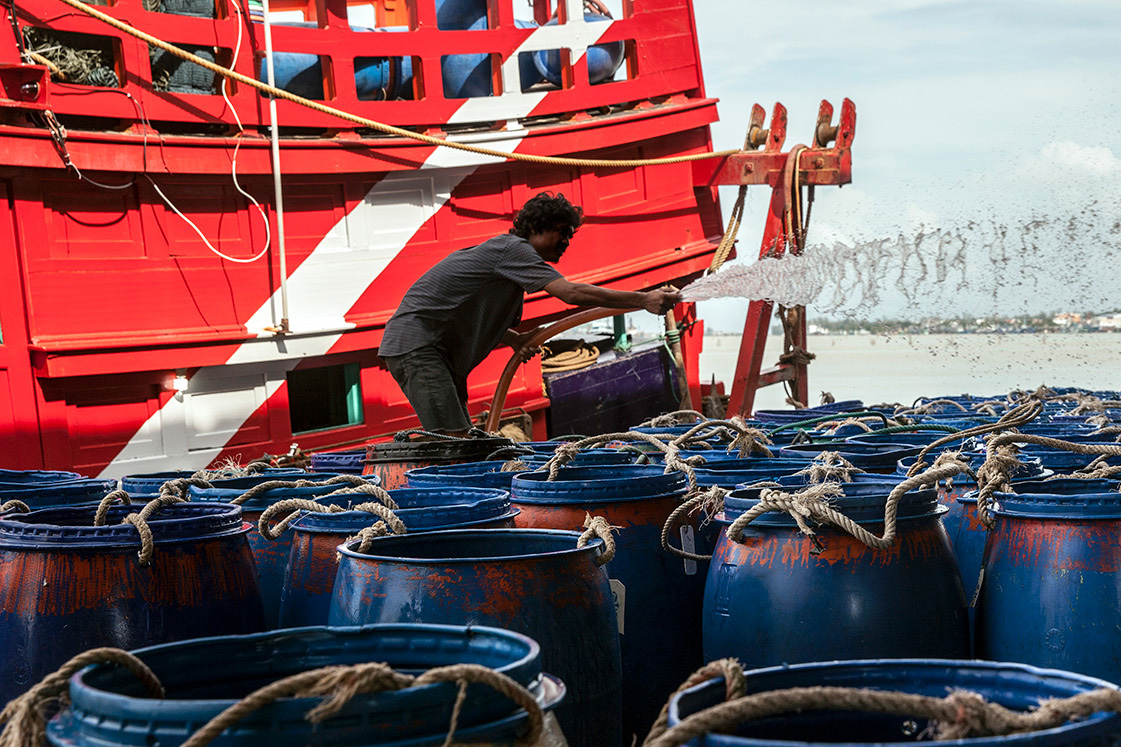
Advocate on deck
When Ali Mustofa returned from nine months of exploitation at sea — unpaid, injured and stripped of his documents — he turned to partner Serikat Buruh Migran Indonesia (SBMI) for support. Through direct negotiation with the recruitment agency, SBMI secured the return of his documents, cancelled fraudulent fines levied against him and won restitution.
But Ali’s story does not end with his own recovery, it begins there. Rather than returning to his village in silence, he joined SBMI as a peer advocate warning other prospective fishers about recruitment fraud and forced labour risks. Now back at sea, he conducts outreach directly on deck.
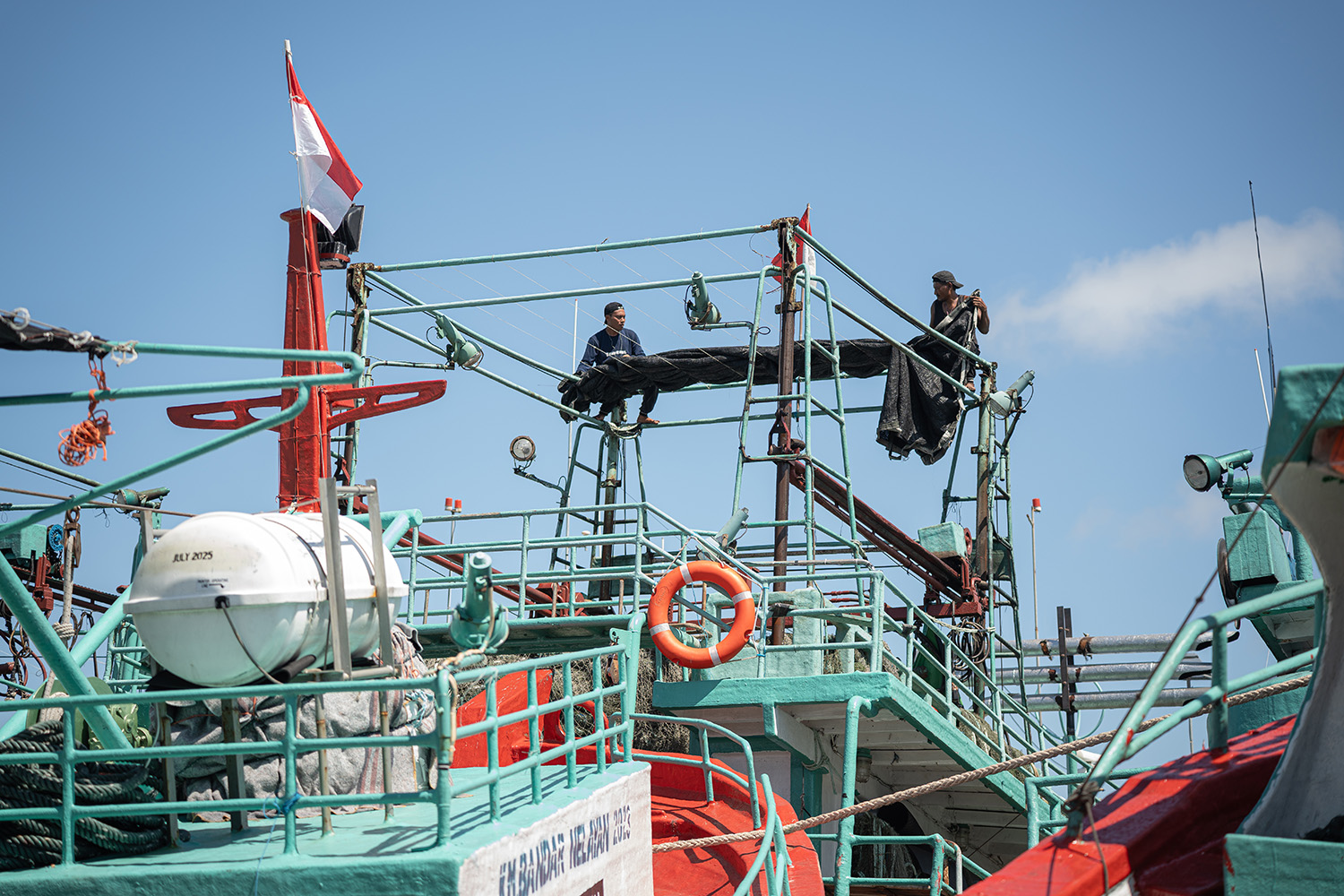
In 2025 the Freedom Fund published 13 research studies (6) and evaluation reports (7) that directly influenced program implementation strategies in Nepal, Ethiopia, Bangladesh and Brazil. Our research projects ranged from increasing understanding of how multinational systems prop up modern slavery to participant-led methods to understand what survivors perceive as the key harms and indignities they experienced.
The Freedom Fund launched the Survivor Leadership Fund in 2021 to provide unrestricted grants to survivor-led organisations to build their capacity and grow their impact. An external evaluation of the program demonstrated that the approach is highly effective in cultivating a diverse ecosystem of anti-slavery organisations. In response to feedback emphasising the importance of mentorship and networking, the program now focuses on hotspot countries, second-round funding and enhanced technical support.
Two new Freedom Fund reports offer a roadmap for sustainable impact:
Systems Change in Practice outlines a strategic approach to tackling core issues driving exploitation, while Measuring Systems Change identifies the importance of developing effective approaches for measuring our systems change efforts.
Publications supported
Research & evidence
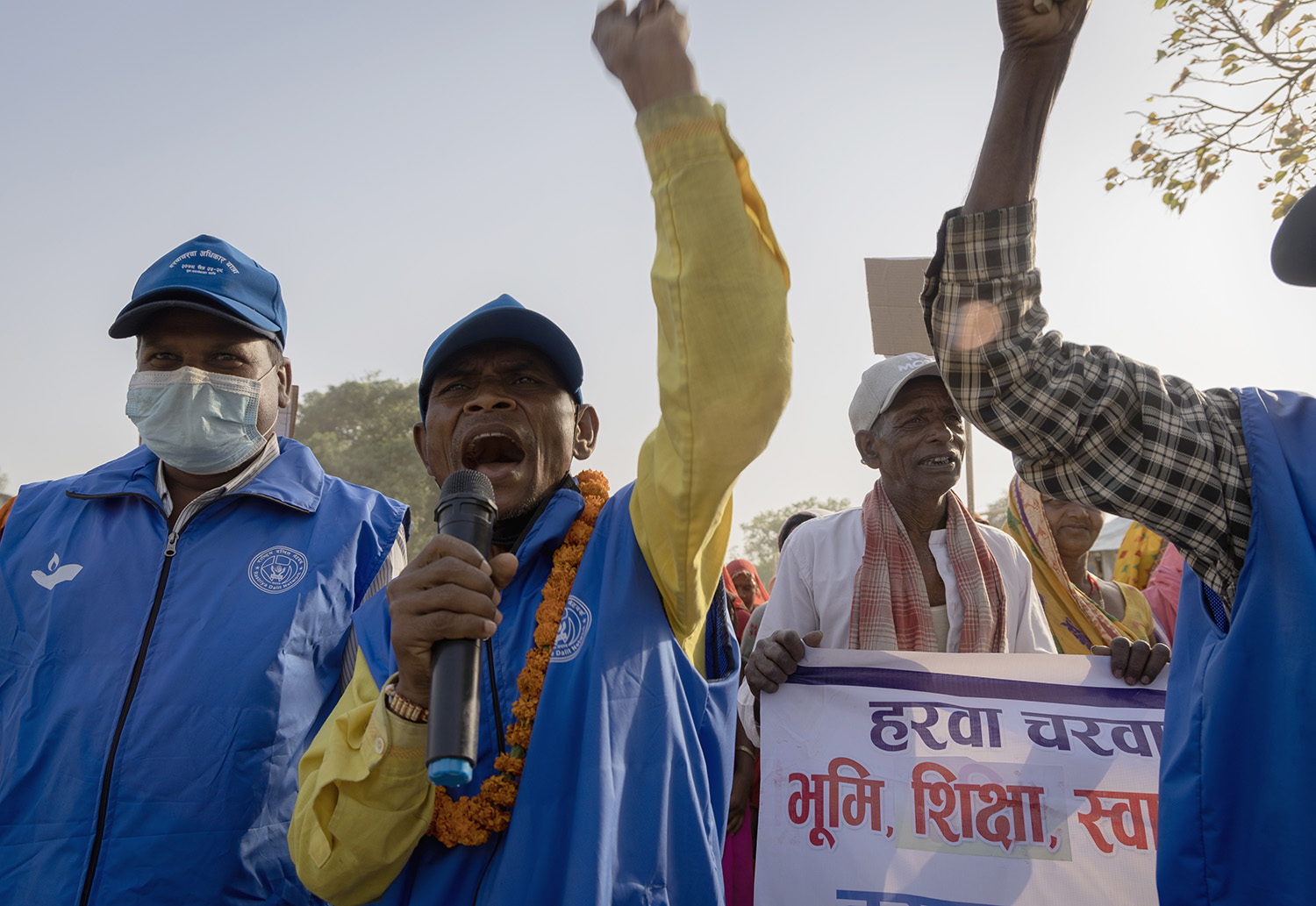
Looking ahead
In the coming year, we will expand our efforts against exploitation and modern slavery by:
Supporters
We are grateful for the generous backing of all our investors and donors whose support allows us to strengthen frontline efforts to end modern slavery and build a more inclusive movement.
Founders



Key investors
Directors
Molly Gochman (Chair) – Artist and Human Rights Activist, Stardust Fund
Andrew Doust (Vice-chair) – Founder, Plenitude Partners
Mahendra Pandey (Vice-chair) – Director, Forced Labor and Human Trafficking Humanity United
Shruti Chandrasekhar (Treasurer) – Head of Investments, Africa Region, IFC
Joseph Boateng – Chief Investment Officer, Casey Family Programs
Katherine Bryant – Director of Operations, Walk Free
Dan Elkes – Senior Vice President, Head of the Institute of Technology and Portfolio Management, Altos Labs
Michelle Yue – Co-Founder, Beam Network