What is modern slavery?
49.6 million people are victims of modern slavery around the world. From human trafficking to domestic servitude, modern slavery has many names. In every case, an individual’s freedom is withheld by another person or group. Victims are trapped in exploitation through debt, fraud, coercion or violence.
Shifting power to create change
To end slavery we must shift power to those most vulnerable to exploitation and hold those in power accountable. Our response should build power among the people most affected by slavery and enable them to lead the way towards transforming global systems of exploitation.
Only then will we succeed in ending modern slavery for good.




Funding the frontlines
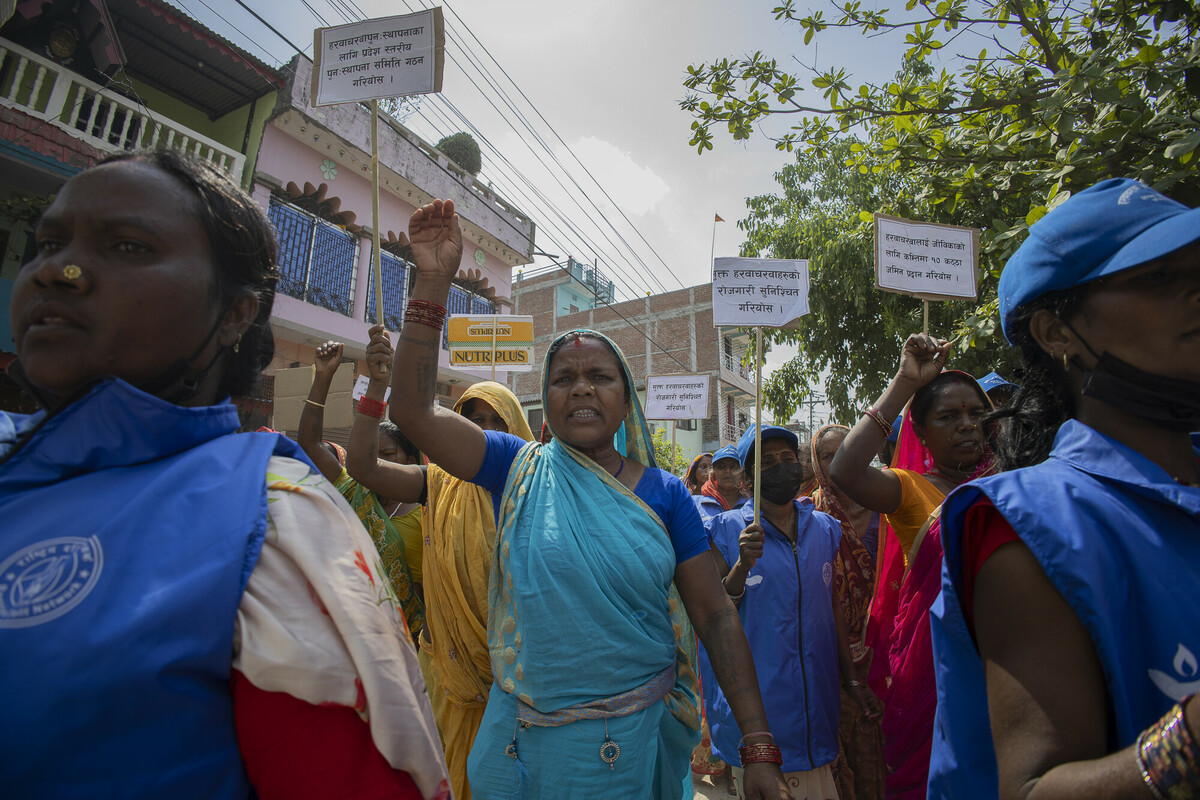
We partner with frontline organisations and communities in slavery ‘hotspots’ – places across the world where slavery is highly prevalent. In each hotspot, we convene a network of grassroots organisations to work collaboratively toward shared objectives, multiplying their resources, impact and influence.
With the right funding and support, our frontline partners tackle the root causes of slavery and contribute to the transformation of some of the world’s most marginalised communities.
Explore our hotspots
A life reclaimed, a family reunited
UNICEF estimates that 3.4 million children live on the street in Bangladesh. They are vulnerable to sexual exploitation and are frequently subjected to high levels of violence and coercion.
Halima was one of these children, struggling on the street for her basic needs. Our partner supported her with therapy, education and vocational training. Today, Halima is reunited with her family and has a job that provides her economic independence.
Climate justice and modern slavery
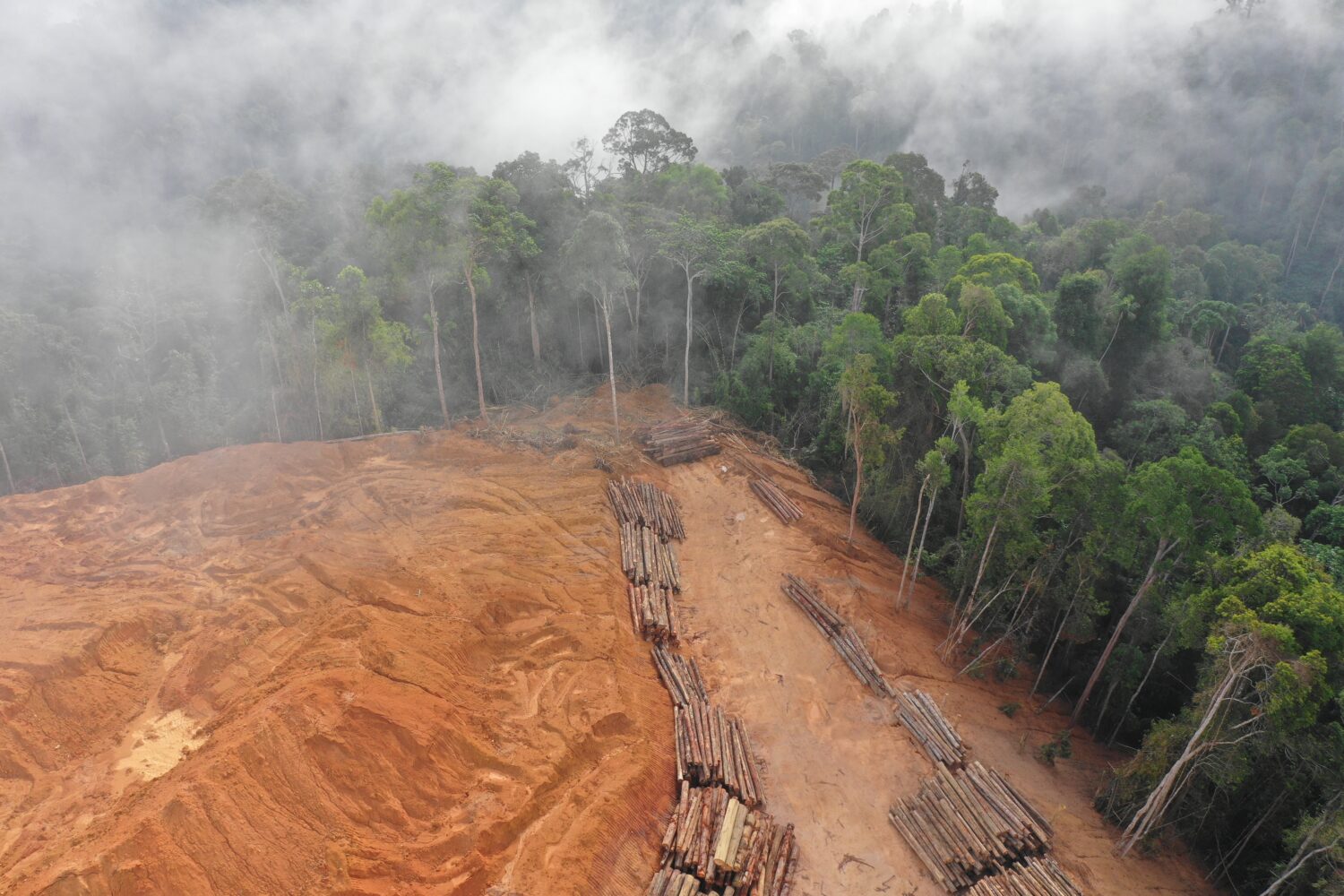
Across many Freedom Fund programs, the communities where our local partners are working are bearing the brunt of erratic weather, floods, drought, and environmental degradation. Without other options, when the livelihoods of the poorest families disappear or they are faced with sudden climate-related shocks, they are more vulnerable to distress migration, child labour and trafficking, debt bondage and child marriage.
Our partners have strong relationships in the places where slavery and climate shocks intersect. We believe they can play a vital role in making climate adaptations part of building sustainable freedom.