Welcome to the Freedom Fund’s monthly bulletin designed to bring you new and compelling research from the global anti-slavery movement.
Structural drivers of forced labour in electronics sector of Malaysia
The Remedy Project reports on risk signals of forced labour in the electronics manufacturing sector in Malaysia. Drawing on 37 interviews with workers, filed observations and a review of reports and regulations, the report finds that the intensely competitive, multi-tiered sector is characterised by extensive subcontracting and rapid production cycles that incentivise reducing labour costs. Price and production pressures in the sector are creating accountability gaps in working conditions, especially for foreign labours employed at lower-tier suppliers where oversight is weak. Current forced labour risk assessments fail to consider wage structures that create exploitative conditions including overtime dependency, ineffective grievance mechanisms, document retention, and debt related to recruitment fees. The report includes an extensive list of policy recommendations to shore up forced labour prevention for the sector.
Key lessons on the integration and recognition of lived experience in research
The Modern Slavery and Human Rights Policy and Evidence Centre offers key lessons on co-producing research with people with lived experience. The study highlights a transdisciplinary approach, trusted partnerships to address challenges, competencies-based recruitment, skill development within the role and investment in relationship-building for inclusive co-production. It also identifies peer review and panel assessment processes, time and resource limitations for researchers to engage lived experience experts, and the perception of lived experience as narrative rather than knowledge as key challenges.
Age seniority influences power relations between children in child-employing households
University of Dundee, together with Children Unite, explores children’s domestic work circumstances and relationships between children in employing families in Tanzania. Drawing on interviews with child domestic workers (CDWs) and other children in the employing household, the authors report that age seniority determines power and controlling behaviour among children in households that employ CDWs regardless of gender, economic and social status. Natal children of employers have the capacity to report on CDWs, yet also reported feeling conflicted about intervening when a CDW is mistreated either by an adult or by another child in the household. The study highlights the need for CDW interventions that consider the role and situations of other children in the household in order to maximally improve the working conditions of CDWs.
Worker vulnerability to heat-related injury and illness in Pakistan’s garment industry
Climate Rights International examines the impact of heat on workers in Pakistan’s textile and garment industry, which employs roughly 40% of the industrial labour force. All workers interviewed reported exposure to workplace heat and its impact on their health and earnings, citing symptoms such as excess sweating, dizziness, increased heart rate and difficulty breathing, leading to occupational injury and illness. The report finds that the impact of heat is compounded by labour rights violations, including low wages, unpaid overtime, lack of breaks, harassment, inadequate access to hydration, and barriers to unionisation, as well as a lack of access to bathrooms, medical leave, and safety training.
Pre-migration, exploitation, and post trafficking experiences of Ethiopian women survivors
Debark University investigates how Ethiopian women who experienced trafficking in the Middle East adapted to cope with the traumas they were exposed to. Over half of 30 survivor participants reported economic hardship as a primary factor in their migration and trafficking. A large majority of survivors had no formal employment prior to being trafficked and had earned secondary school diplomas. The survivors reported experiences of exploitation by both recruitment agents (in Ethiopia) and employers, including excessive work hours, sleep deprivation, sexual harassment, and physical abuse, shaping their physical and mental health decline in the post-trafficking period. Survivors’ coping mechanisms ranged from spirituality and seeking familial support to maladaptive strategies including substance misuse.
Read on
The proposal of the Independent Anti-Slavery Commissioner outlines an evidence-based foundation for legislative review to prevent goods tainted with forced labour from entering the UK.
The European Commission examines how trafficking in human beings for the purpose of labour exploitation is addressed across selected EU Member States.
The Active Learning Network for Accountability and Performance in Humanitarian Action finds that mutual aid efforts tend to be positive when initiatives are genuinely community-led, and partnerships are built on trust.
Freedom Fund news
The Freedom Fund is seeking an organisation or individual(s) to design and administer a global survey of its grantees to understand their experience of partnering with the Freedom Fund. Apply before the closing date of 20 January 2026.
Visit our Newsroom for more updates.
Research library
Visit our Slavery Research Library to access anti-slavery resources from across the globe.
Contact
Our team would love to hear from you. Email us at [email protected].
The Slavery Research Bulletin is produced monthly by the Freedom Fund, a global fund with the sole aim of helping end modern slavery.
Research being featured in this bulletin does not equal endorsement by the Freedom Fund.
Join the Slavery Research Bulletin mailing list.
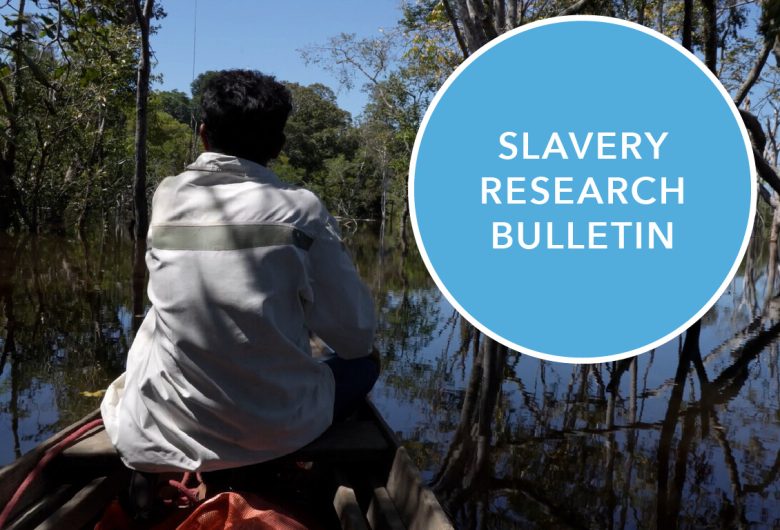
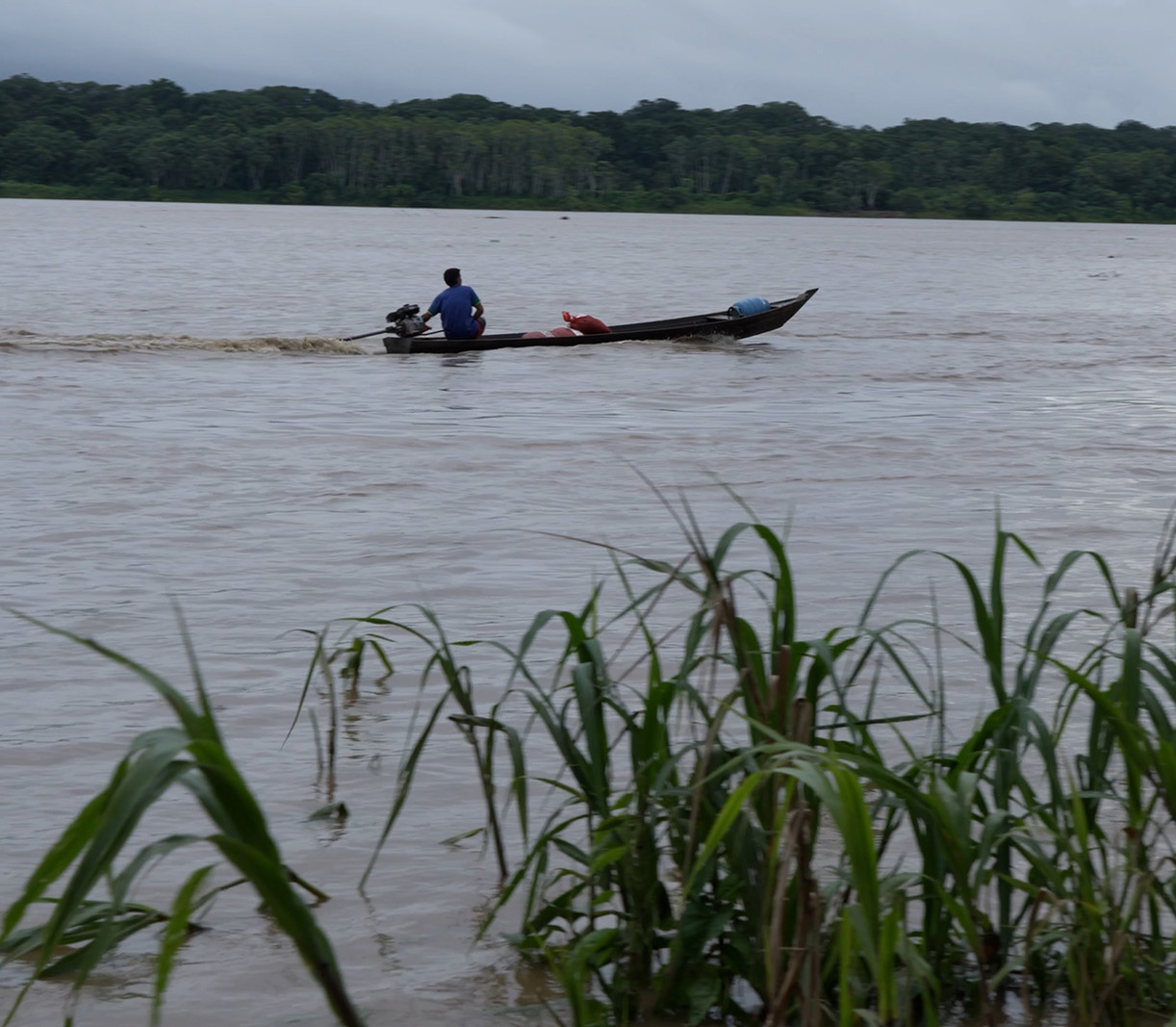
Photo credit: Mãe D’Água Filmes/The Freedom Fund