
Understanding child marriage and child labour
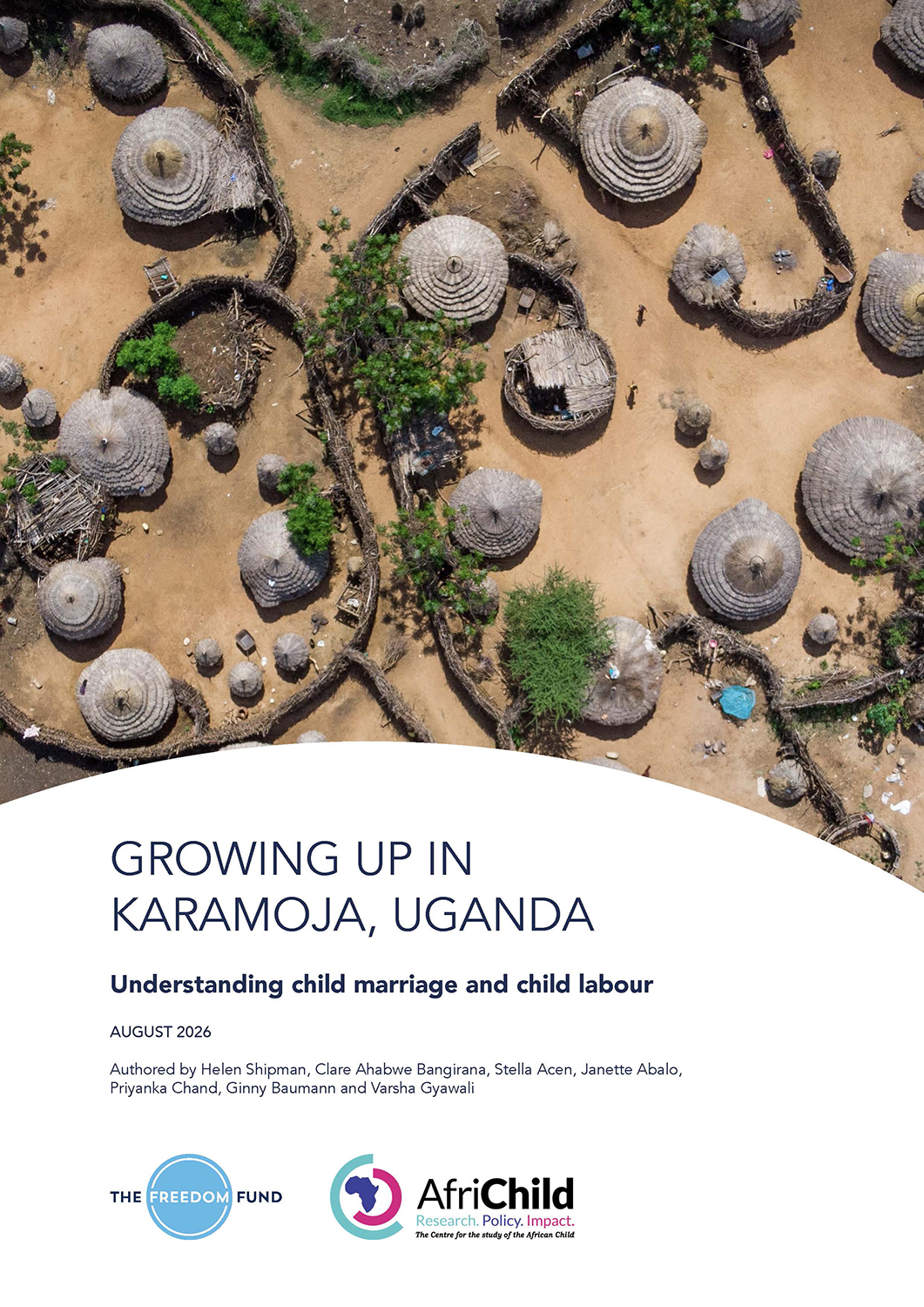
Outsiders often see Karamoja only through the lens of its challenges: drought and hunger, limited access to schools and healthcare, entrenched gender inequality in a pastoralist society and decades of conflict. Karamoja is much more than its struggles. It is a region of striking cultural richness, home to multiple ethnic groups and many communities where extended family and clan networks still keep caring for children even amidst hardship. Nevertheless, any effort to address child marriage or child labour in the region must start with an understanding of what allows Karimojong families and children to survive, and even show remarkable resilience, against the odds.
A new study by the AfriChild Centre and the Freedom Fund, Growing up in Karamoja, Uganda: Understanding Child Marriage and Child Labour examines the drivers, dynamics and impacts of these practices in Moroto and Napak districts, and assesses the systems meant to protect children from harm. Karamoja has Uganda’s highest absolute poverty rate (74.2%) and its most severe, recurring food crises. The latest Integrated Food Security Phase Classification analysis finds 473,000 people facing crisis levels of food insecurity and 122,100 children in need of treatment for acute malnutrition this year, one of the first links in the chain that leads to a child being married off or sent to work.
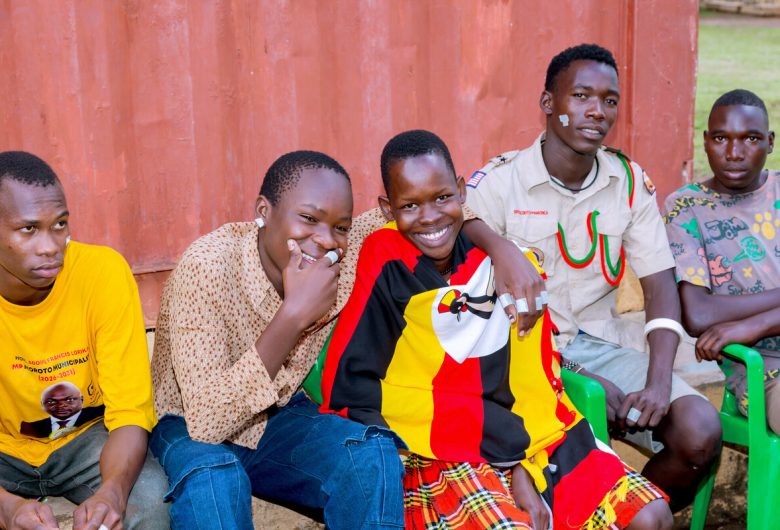
Drawing on 92 children’s life stories, 12 participatory workshops with children, 12 focus group discussions with caregivers, 35 key informant interviews and a survey of 266 households, the study includes direct accounts of how children themselves experience and, increasingly, resist child marriage and child labour.
Key findings
Poverty and hunger are the primary drivers of child marriage and child labour. Caregivers and children alike described these practices as survival strategies when there was no safety net to fall back on. Poverty, recurrent drought, crop failure and livestock loss were described as the trigger points at which families ran out of options. As one child explained, ‘if it doesn’t rain, there will be nothing else like food to be eaten in the homes.’ In this context, marrying off a daughter for bride price or sending a child to work was frequently framed by parents and caregivers as a necessary economic strategy, despite its harm. Children themselves described the negative impact it had on their safety, health and education.
Child marriage remains widely normalised, particularly for girls. It is shaped by entrenched gender norms that reinforce bride price, where cattle and other assets are transferred from the groom to the bride’s family. Marrying off a daughter was often described by caregivers as necessary for impoverished families, though some were also said to seek personal status or wealth out of it. Children consistently described child marriage as profoundly harmful, exposing girls to intimate partner violence, early pregnancy, psychological distress and lost education. A 15-year-old boy from Moroto said, ‘One [young girl] refused her husband. But her people forced her and she accepted. She went up to there and she escaped, until her people beat her and she accepted again.’ Several also said they or someone they knew had resisted arranged marriages, pushing for the right to choose their own partner or prioritise school. This is a sign of subtle but real normative shifts, even where that resistance did not succeed.
Six in ten children were engaged in child labour, including arduous work in mines, quarries, markets, domestic work and agricultural or pastoralist work. Under pressure to meet household needs, children also described migrating to urban centres for work, at times under deceptive conditions encountering excessive working hours, hazardous conditions, withheld wages, physical abuse and lost access to education. Almost two-thirds of child survey participants reported frequent headaches, stomach-aches or sickness, and over half said they felt too tired to pay attention at work. Yet over half (57.9%) also said they felt proud of their work, and many showed real resilience, providing for their families, starting microenterprises or using their earnings to fund their own return to school.
Those seeking help remain limited, in part because both child marriage and child labour are normalised. Child protection systems were described as hindered by under-resourcing, limited service coverage, weak institutional capacity and reliance on customary justice mechanisms that often prioritise reconciliation between families over a child’s best interests. As one 14-year-old boy from Moroto said: ‘It’s because we don’t have anyone to support us. I wanted to be supported by [caregiver] taking me back to school because I am still young and I am tired of hustling.’ As a result, children’s trust in the system was inconsistent at best. Still, there were early signs that some community members, including children themselves, are starting to challenge these practices.
Recommendations
- Address the structural drivers of child marriage and child labour in Karamoja. Promote at-risk children’s access to education through targeted school funding, feeding programs and re-entry programs for out of school children, while addressing cultural barriers to girls’ education. Strengthen at-risk households’ livelihoods and food security, especially female-headed households, through income-generating initiatives, social protection, climate-resilient agriculture and livestock rearing. Partner with local businesses to expand vocational training, apprenticeships, start-up support and savings groups for young people.
- Work closely with children and community influencers to address harmful norms that sustain child marriage and child labour. Reshape community norms by documenting and scaling positive cultural practices (such as songs or storytelling),integrating child protection messages into cultural gatherings, and engaging religious and cultural leaders as change agents. Establish caregiver support groups within existing community platforms and facilitate structured community dialogue, alongside training and mentorship for child and youth-led (including survivor-led) advocacy to promote positive parenting practices. Use school and community settings to educate children on their rights, trauma-healing and safeguarding.
- Strengthen the child protection system’s ability to prevent and respond to child exploitation in Karamoja. Increase resourcing through expanded national, district and sub-county budget allocations, outreach to donors and private sector engagement and greater training and operational support for community-level and statutory responders. Strengthen coordination between statutory and customary actors for timely referrals and joint case planning. Enhance community-based monitoring and cross-border coordination with Kenya to prevent trafficking and support safe return.
The research acknowledges that lasting change will only come from solutions that are locally owned, culturally grounded and built around children’s own voices, alongside the investment in livelihoods and climate resilience, which can stop hunger from being the reason a childhood ends early.