
The genesis of my collaboration with the Freedom Fund was a 2019 report by independent experts examining how their work with local partners in 1,100 Indian villages had dramatically reduced bonded labour. This was followed by a 2023 meeting with a top Freedom Fund official in London that only deepened my regard for the organisation. In 2023, I teamed up with the Freedom Fund on a matching-fund challenge—a fundraising strategy where a lead donor promises to match public contributions at a set ratio. My remaining tasks were to figure out how best to structure the matching funds and to decide how much money to put up. I decided match dollar-for-dollar up to US $2 million—nearly one-third of my life savings. I’m happy to report my donation became fully matched by the summer of 2026.
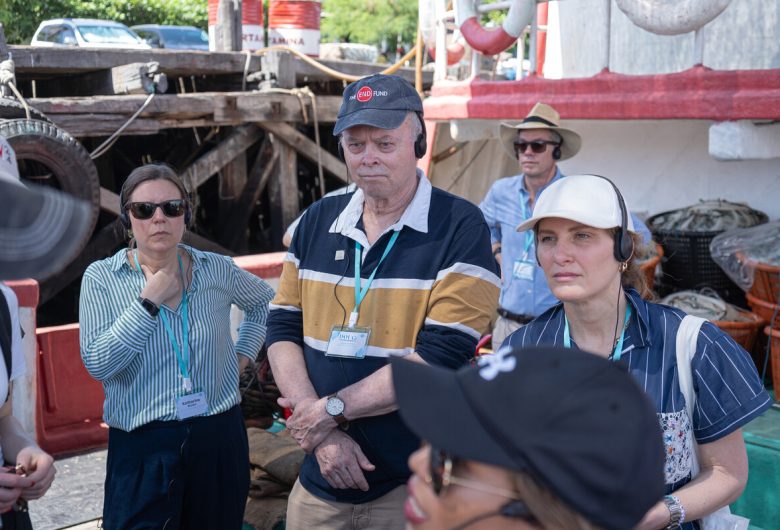
In early 2025, as my matching-fund initiative for the Freedom Fund was underway, I jumped at the chance to spend nearly a week in Bali, Indonesia with the organisation’s leaders, fellow donors, local partners and forced labour survivors. We got together to learn about the Freedom Fund’s work against slavery-like conditions in the seafood industry.
Then in May 2026, I again joined join Freedom Fund leaders and allies—along with survivors of forced labour—in northern Brazil to learn about the collaborative work to stop slavery-like conditions and environmental ruin in the Amazon Region.
These trips were among the most memorable of my life. Despite traveling widely in my life, visiting more than 40 countries, my visits to Indonesia and Brazil were far more meaningful as they steeped me directly in Freedom Fund’s high-impact work against modern-day slavery.
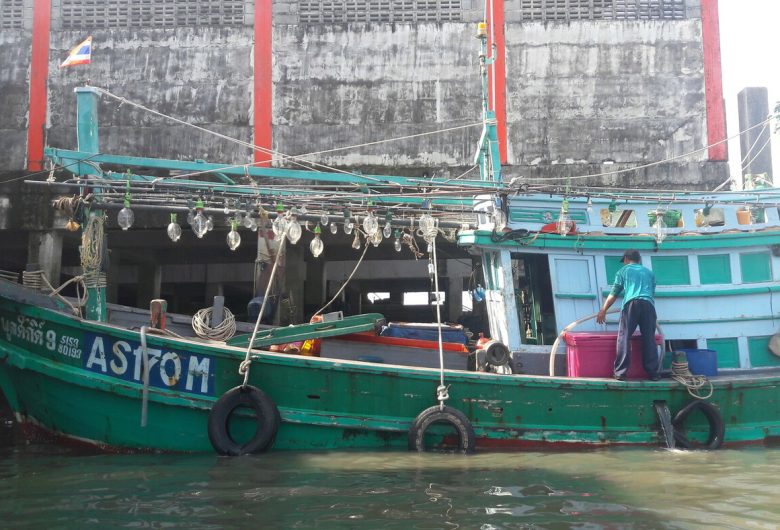
One of the high points in Indonesia was stepping onto a commercial fishing vessel no more than 17 meters long. I shuddered to imagine being on board on a rainy, squally night with a ruthless captain at the helm. We then shivered our way through a nearby fish processing plant, where the work seemed inherently dangerous even though the workers there were not enslaved.
In Brazil, one of the most joyous occasions was the two hour boat trip to the Pirocaba Extractivist Settlement*, where we learned about their environmental-protection activism and community enterprises. Community members also shared traditional dancing, inviting us to join in.
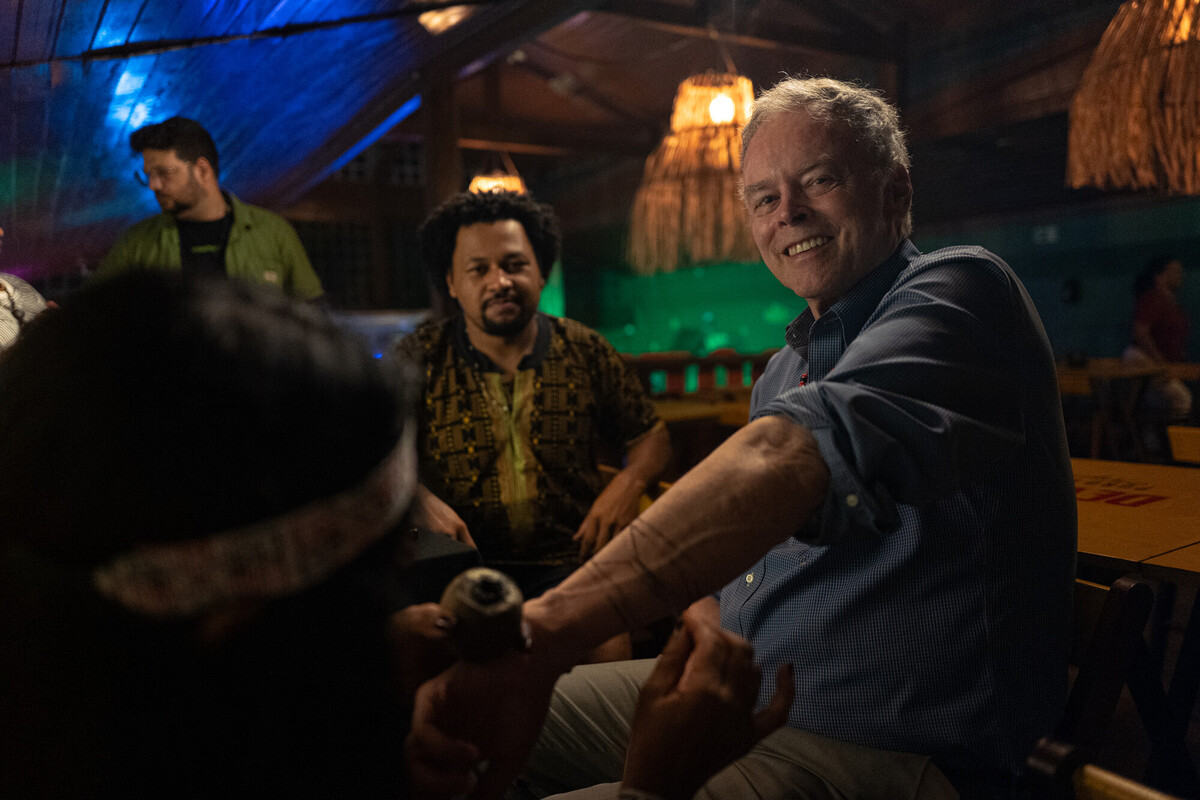
The emotional peak in each country was listening intently as survivors shared what they had endured and how they’ve fared since gaining their freedom. I was inspired and honoured to meet these dedicated survivors, once treated with so little dignity, who now work to reduce contemporary slavery or to help fellow survivors recover. Most spoke to us with calm resolve, but a few made clear their rage at this ongoing injustice. Those moments intensified my commitment to ending exploitation and modern slavery.
Spending time on the frontlines with the Freedom Fund, their partners and allies and those whose lives have been uplifted is eye-opening and potentially life-changing for anyone with a strong interest in the anti-slavery cause. It certainly was for me. For anyone diligently weighing whether to start meaningfully investing in the Freedom Fund or whether to take current support to a higher level, it might prove especially valuable to see the impact first-hand. A number of my fellow travelers have also since chosen to support, or invest further in the Freedom Fund.
The main benefit of these journeys was not the sum of specific things we learned. Rather, it was the surge of motivation and happiness from building bonds with kindred spirits. Our time together left me all the more confident in the Freedom Fund as an extraordinary force against the abomination of slavery.
*Agro-Extractivist Settlement Projects are federal, environmentally differentiated land reform areas designed to combat deforestation and secure land rights for traditional and Indigenous populations in the Brazilian Amazon.
Photo credit: Alessandro Falco/The Freedom Fund