
 Funding Frontline Impact

Funding Frontline Impact
Welcome to Funding Frontline Impact, a Freedom Fund resource for donors who believe in the power of frontline organisations. Join us in funding where change happens.
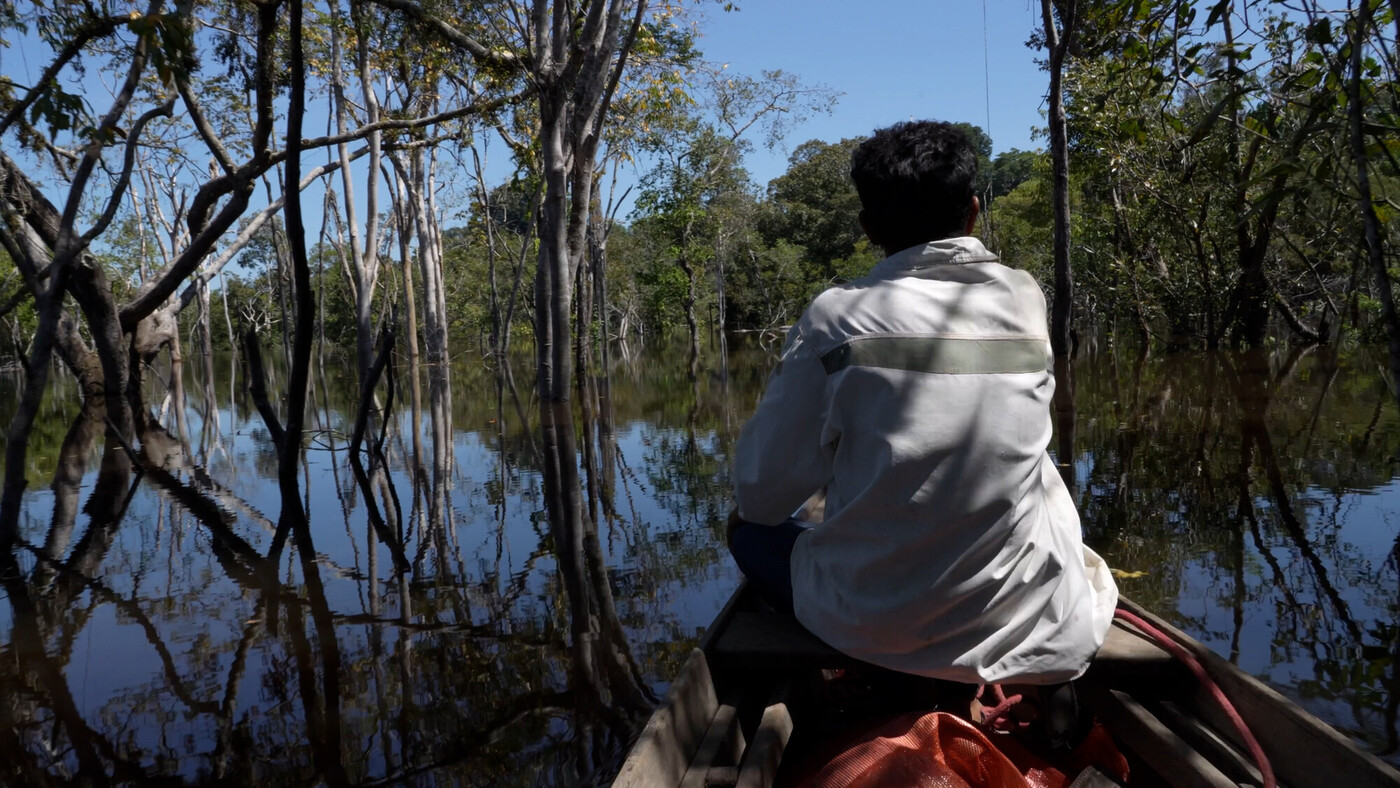
The journey to better funding
The leadership of frontline organisations is critical to shifting any system. Many funders and philanthropic professionals agree, but they often struggle to find and fund these organisations effectively. The process can be challenging, and the fear of getting it wrong can paralyse donors.
Over the years, we’ve learned a lot about what it takes to support frontline organisations effectively. We created this resource to share our experiences, lessons and practices, and to encourage more funders to invest in frontline organisations, their leadership and their long-term impact.
Funding Frontline Impact brings together foundational principles, practical guidance and resources to help you on your grantmaking journey – no matter the cause or geography.
What do we mean by 'frontline'?
When the Freedom Fund uses the term ‘frontline organisation’ in our work, we are referring to groups who are directly impacted by modern slavery or who work closely with communities where exploitation is prevalent. These groups are locally-led and grassroots in their history and operations, with strong grounding in local culture and context and accountability and trust from their communities. They are deeply in tune to the many root causes that make people more vulnerable to exploitation, such as poverty and inequality, identity-based discrimination, conflict and climate change.
Frontline groups may look different depending on the issue, and they may range in size, but their proximate leadership and ties to community are critical to their effectiveness.
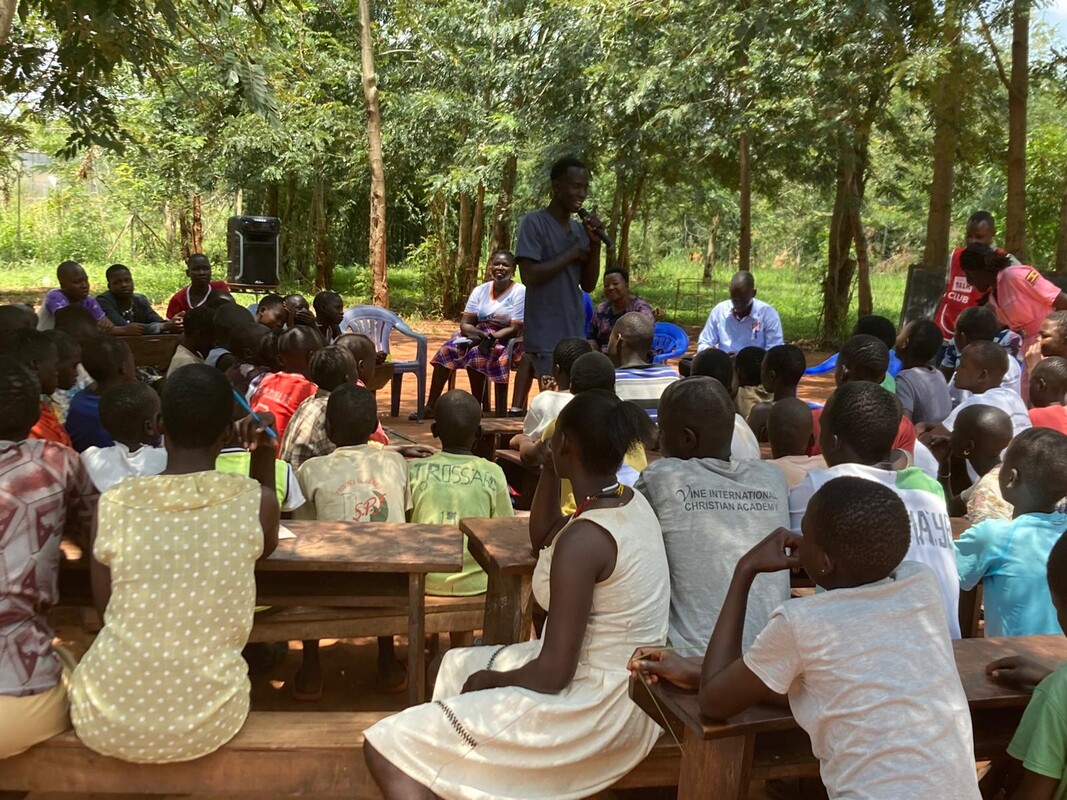
In order to effectively support frontline organisations, donors must reflect on the values that shape our practices.
The Freedom Fund’s funding practice is anchored in 12 foundational principles that guide our actions and keep frontline groups at the heart of their efforts.
1. Communicate transparently & compassionately
Open, honest and thoughtful communication is essential, especially around expectations and requirements. This also means welcoming feedback from grantees and other partners on your approach.
2. Work from a place of trust & earn it
A relationship with a grantee should be valued and treated as a partnership. Trust cannot be written into a grant contract; it is a work in progress that requires donors to recognise their power and respect the knowledge and leadership of frontline organisations.
3. Center frontline perspectives
To make effective and equitable grantmaking decisions, center the perspectives of people closest to the issue at every stage of the process. You can do this by engaging frontline leaders as advisors, hiring local consultants, working with intermediaries and seeking frequent feedback from grantees.
4. Provide flexible, long-term support
Grants are investments, and they are most effective when they’re flexible and long-term. By funding a frontline group, you are investing in not only their programs but also their vision for change. Adapt to your grantees’ timelines and shifting community needs.
5. Fund overhead as impact costs
Funders often expect grantees to deliver results without investing in their infrastructure, team, and overall ability to foster change. Differentiation between ‘project’ and ‘overhead’ costs is a false dichotomy that devalues organisations and hinders sustainability.
6. Compensate for stewardship
If you impose unique requirements on grantees, such as site visits or reporting formats, be prepared to also take on the costs of the training and resources needed to meet them. Consult with your partners on feasibility and compensate them for their time.
7. Respect grantees’ reality and time
Frontline organisations often work in complex, challenging settings and lack sufficient resources to steward funders. Respect people’s time and avoid adding unnecessary burdens. Your funding should free them to enact change, rather than tie them down.
8. Learn from those you serve
Create spaces for shared learning with grantees, communities and the wider sector. After all, social change is a journey that requires frequent reflection and adjustment. Enabling frontline partners the ability to share enriches their work as well as your funding approach.
9. Strengthen the ecosystem
While grantmaking is important, it is not the only thing needed to create lasting change. Whether through convenings, expertise, introductions or influence, consider additional ways you can help strengthen the civil society ecosystem in which you are funding.
10. Invest in community
Many funders have the benefit of a bird’s eye view across a thematic area or geography. The more you can build community around an issue, both among and beyond your grantees, the more you can help accelerate and deepen their impact.
11. Seek genuine collaboration
Funders often encourage grantees to work together but find it hard to practice collaboration amongst themselves. Pooling or leveraging donor resources requires honesty and humility and has the potential to generate even greater impact.
12. Challenge your mindset
The responsibility for challenging myths about frontline organisations lies with funders. What assumptions do you bring to your philanthropy? Who do you automatically trust? How does what feels impactful compare to what is needed to drive change?
Our funding principles
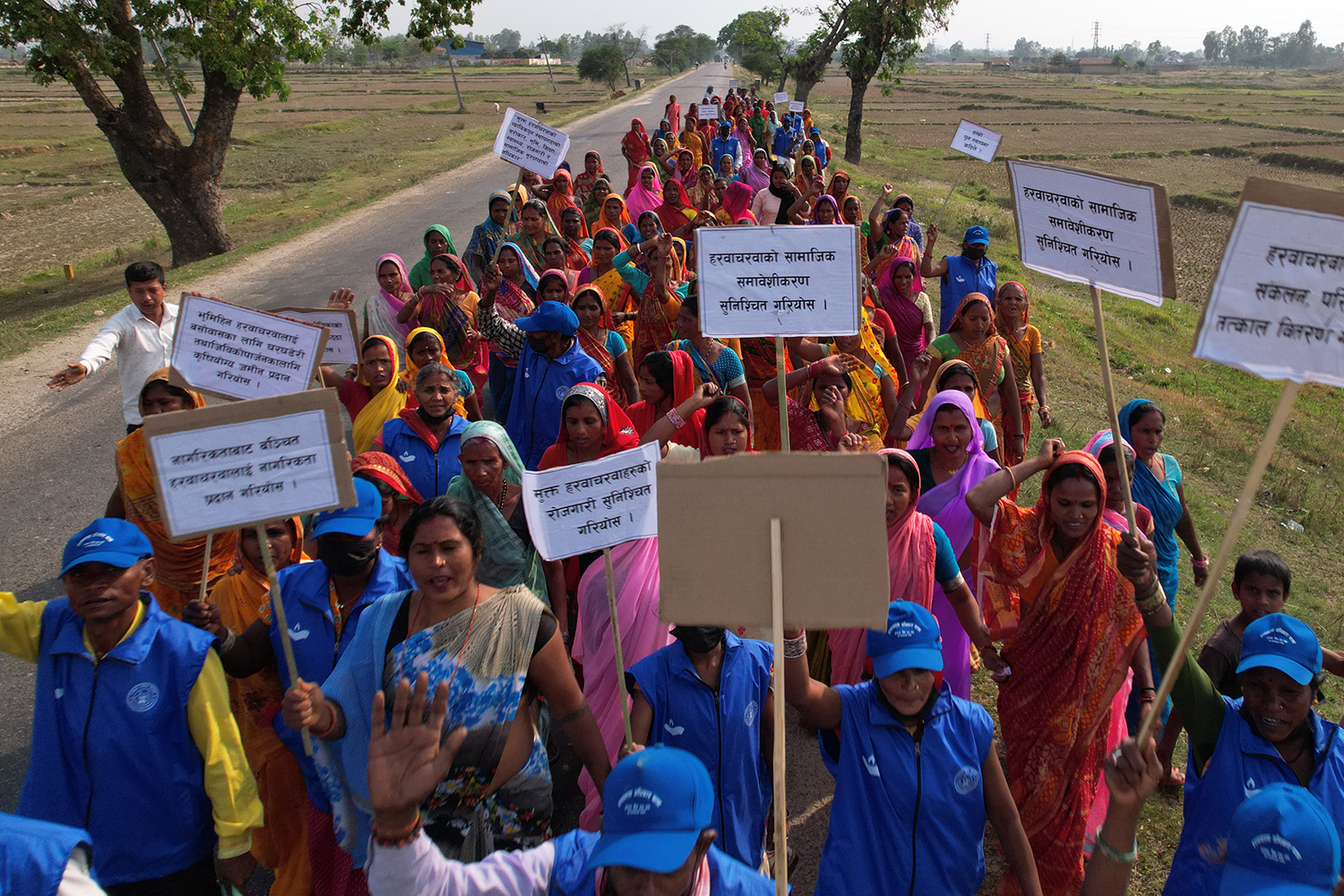
What you'll find
We’ve learned a lot over the years, and we are passionate about driving more investment to frontline organisations, their leadership and their long-term impact. Across this site, we share advice, stories and tools to help you on your own frontline grantmaking journey, no matter the cause or geography.
We’ve included practical, honest advice about various steps in the grantmaking process and the challenges you might encounter.
- Find and fund: From defining your grantmaking vision to awarding funding, learn how to establish partnerships.
- Evaluate impact: Explore the meaning of impact and the role of measurement and evaluation in frontline funding.
- Support sustainability and resilience: Get serious about funding deeper, longer-term impact.
- Navigate risks: Embrace challenges as part of the funding process.
- Funding tools: See our case study videos and adaptable guides, templates and tools.
Take action
Help us get the word out about the power of frontline organisations
Join our mailing list to receive updates and opportunities
Reach out if you want to explore these topics further