Stronger together
The central role of civil society and survivor expertise in anti-trafficking efforts
Rising to lead
Transforming leadership to build stronger and inclusive voices in the fight against modern slavery
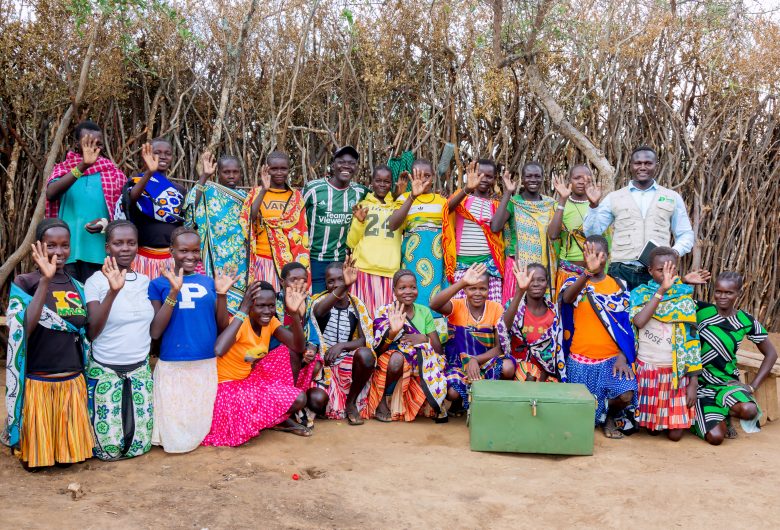
Launched in Brazil, India and Nepal, Freedom Rising focused on supporting frontline leaders – particularly survivors, women and individuals from marginalised backgrounds – with the skills, resilience and relationships needed to tackle the root causes and consequences of modern slavery. Centering survivors’ lived experience drove personal, organisational and collective change, showing that lasting progress must depend on those most affected leading the way.
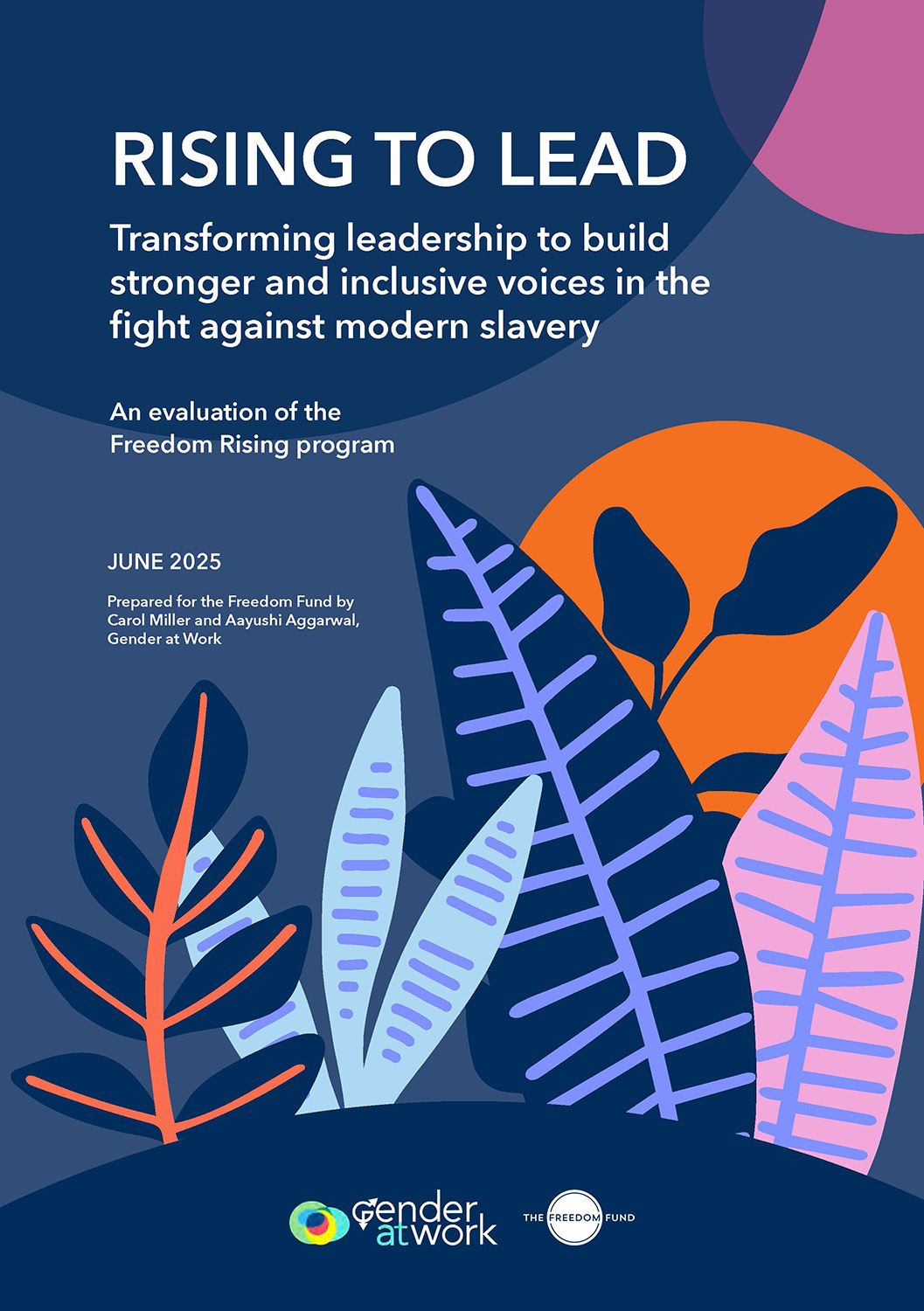
Centering survivors' voices in the fight against modern slavery
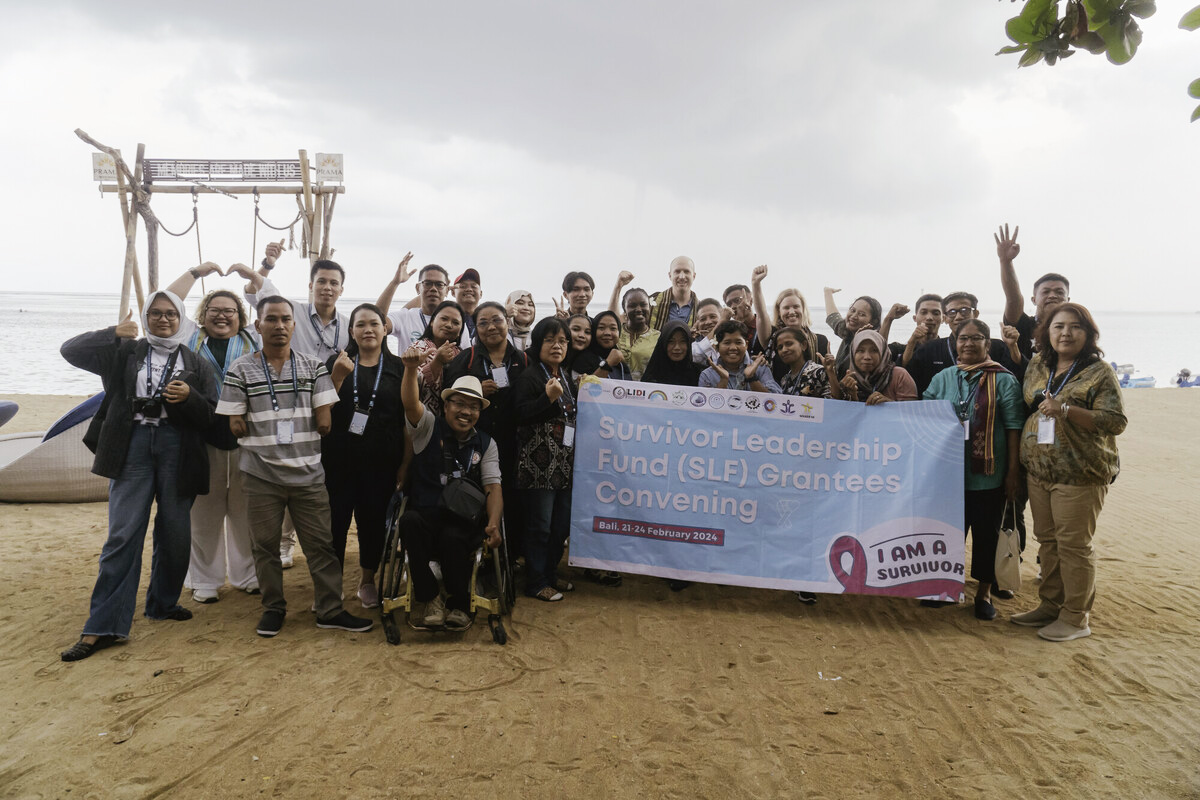
Learning from the past and shaping the future of the Survivor Leadership Fund
Since 2021, the Survivor Leadership Fund (SLF) has supported 118 survivor-led organisations across 15 countries to strengthen their organisations and lead change to address slavery in their communities. By supporting their leadership and ensuring access to flexible funding and non-financial resources, SLF demonstrates the critical role survivors play in shaping effective, community-rooted anti-slavery strategies.
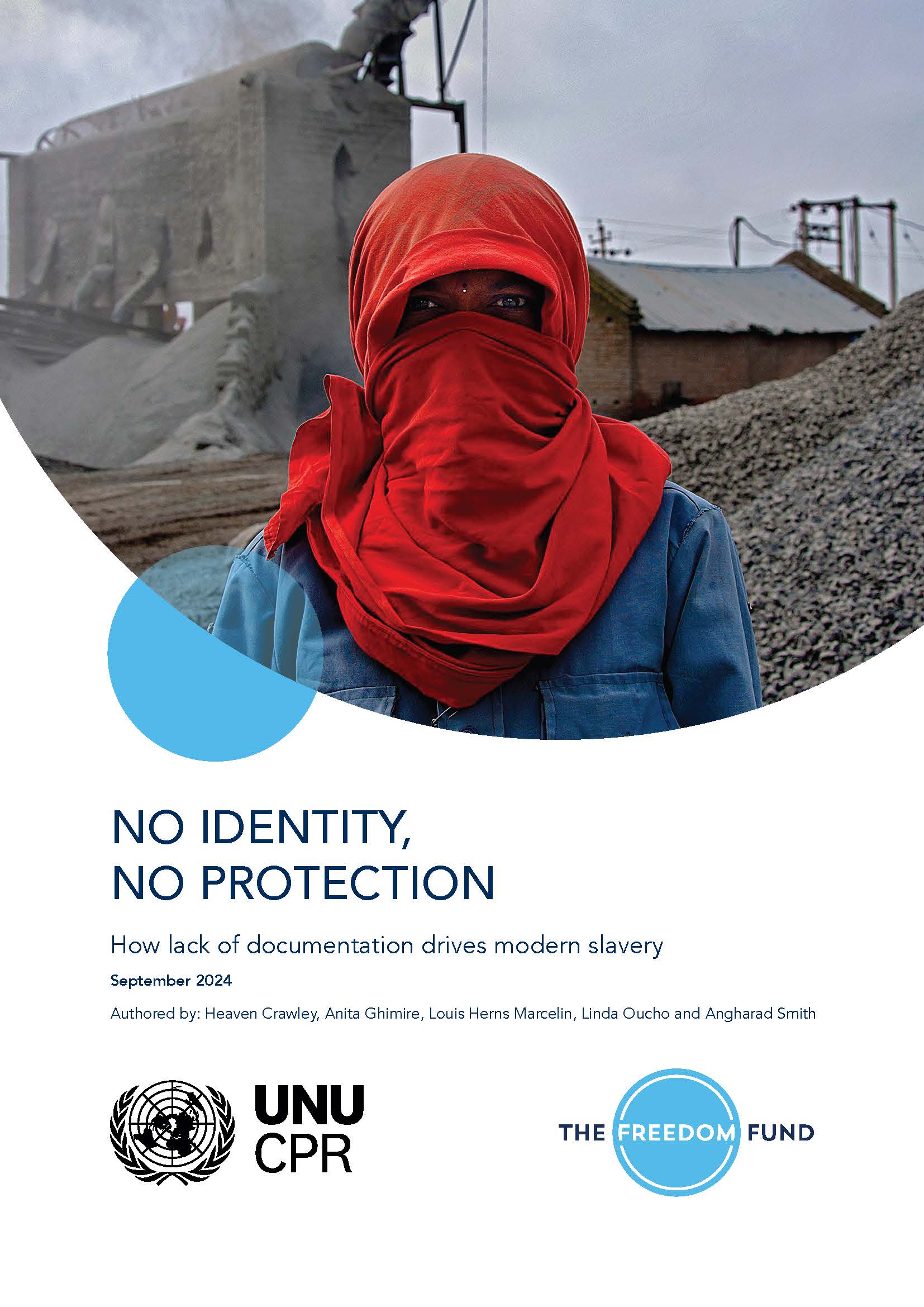
No identity, no protection
How lack of identity documents drives exploitation and modern slavery
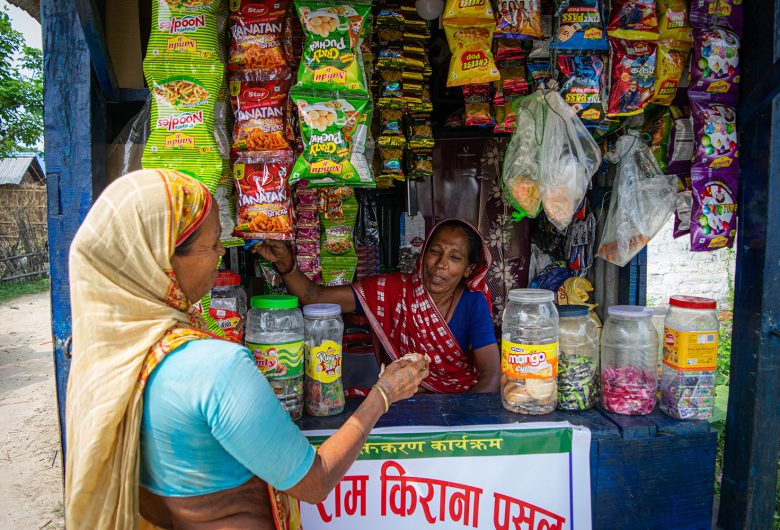
This research reveals how the absence of legal identity leaves millions vulnerable to abuse, exclusion and modern slavery. First-hand accounts from 91 survivors and people in affected communities show that lacking documentation strips people of protection, access to services and the power to escape exploitation. Their perspectives are essential to understanding the scale of the problem and shaping effective, rights-based solutions.
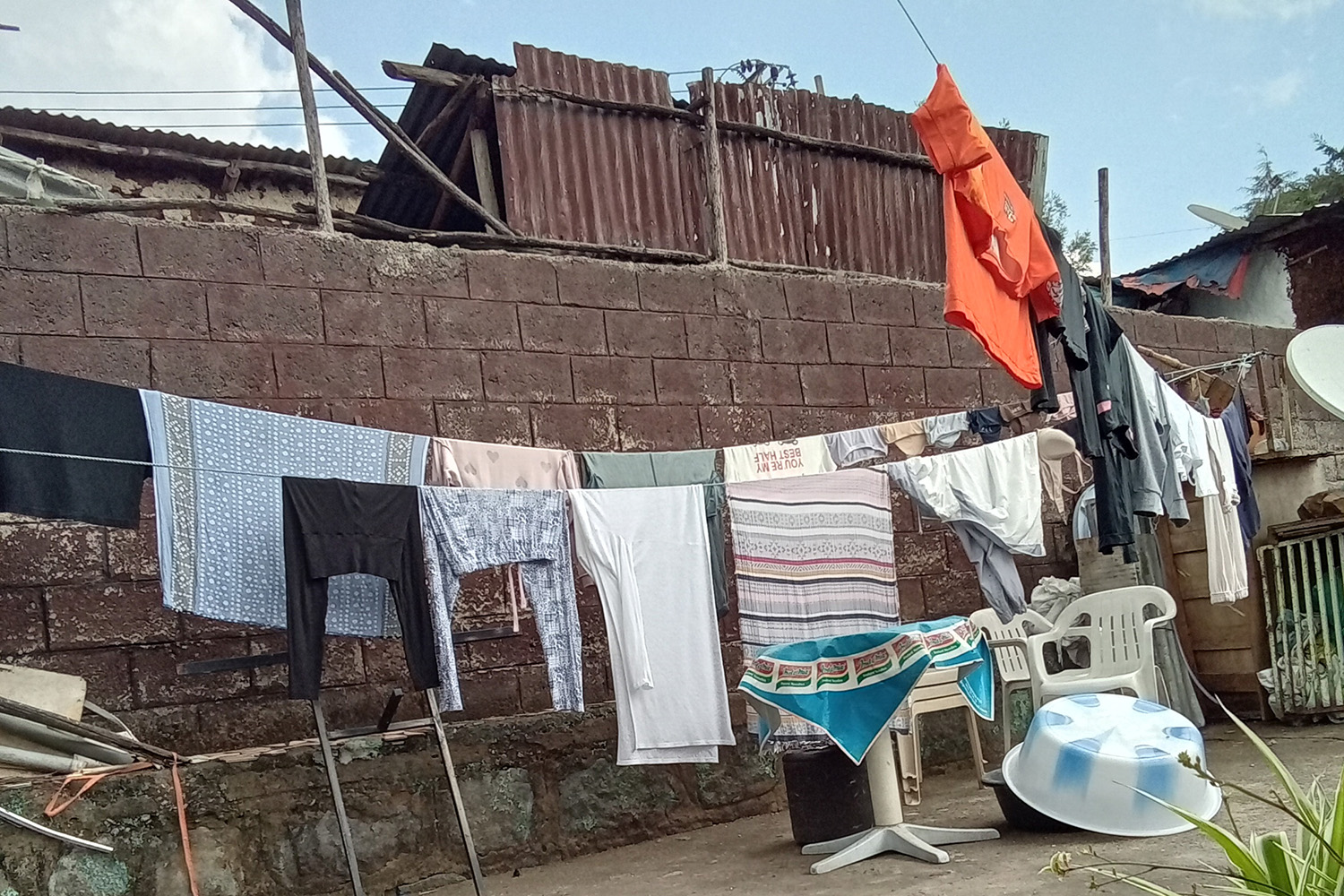
Ushering change and transforming lives
An evaluation of the Nigat project to shift household attitudes and norms towards child domestic workers in Addis Ababa, Ethiopia
This study assess the project’s impact on transforming household attitudes and norms towards child domestic workers, demonstrating notable improvements in their living conditions, education access and social inclusion. Involving 51 child domestic workers in documenting meaningful moments of their lives was vital to understanding their experiences, amplifying their voices, and ensuring support services reflect their priorities.
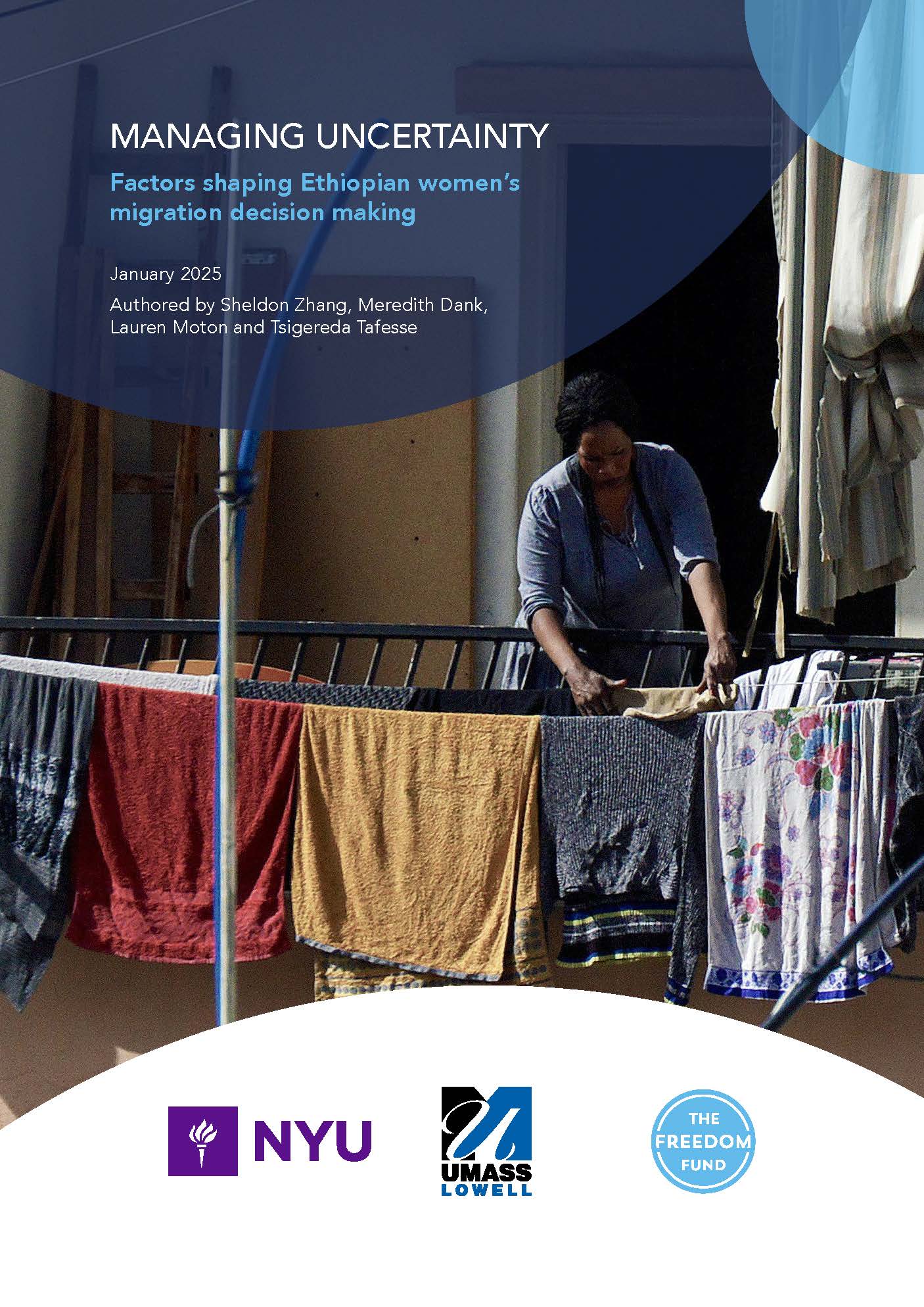
Managing uncertainty
Factors shaping Ethiopian women’s migration decision making
This research examines the economic and social pressures that lead Ethiopian women to migrate for domestic work in the Gulf, despite the well-known risks of exploitation. Based on the experiences of 171 migrant women, it highlights the importance of recognising their agency and resilience, and ensuring that migration policies and programs are informed by their perspectives to offer safer, more effective support.
Our impact
We measure what works, learn from our results, and share our knowledge.
Stay informed
Get updates on compelling research from the anti-slavery movement.
Support us
Join us to protect lives and end exploitation where it’s needed most.