Power on the frontlines
Closing the corporate accountability gap
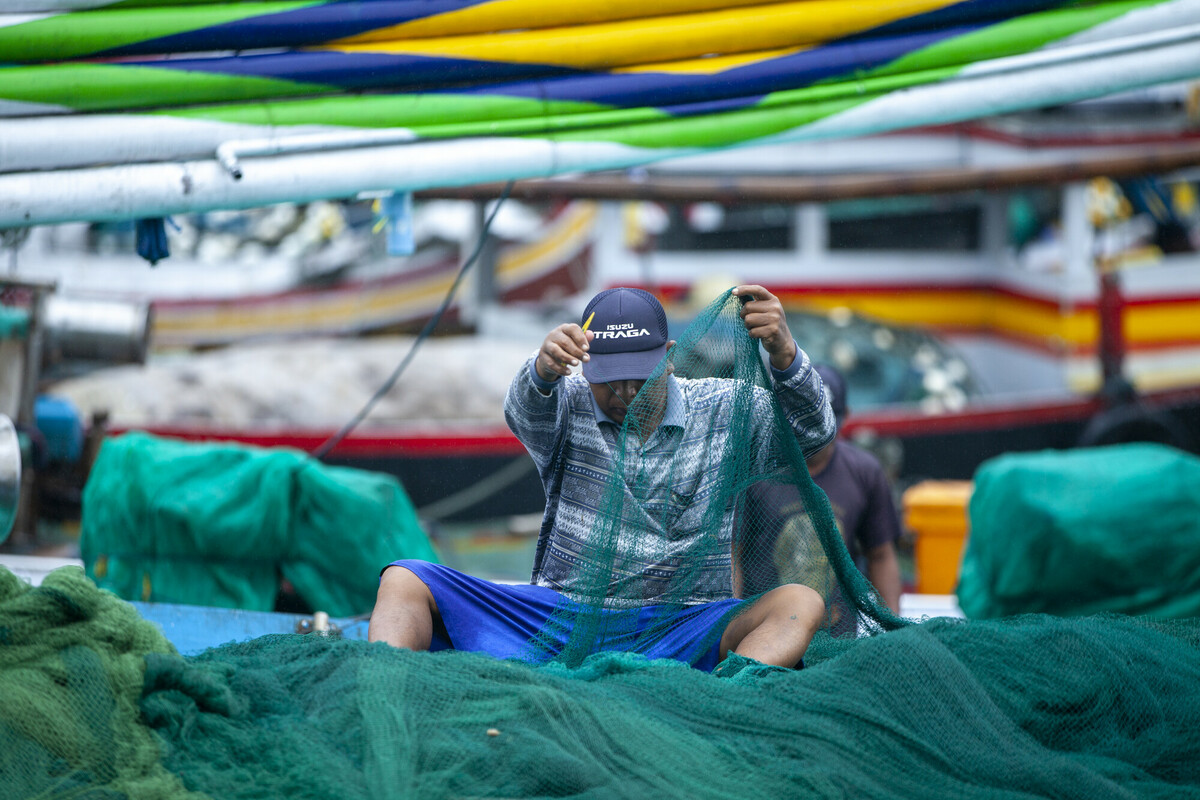
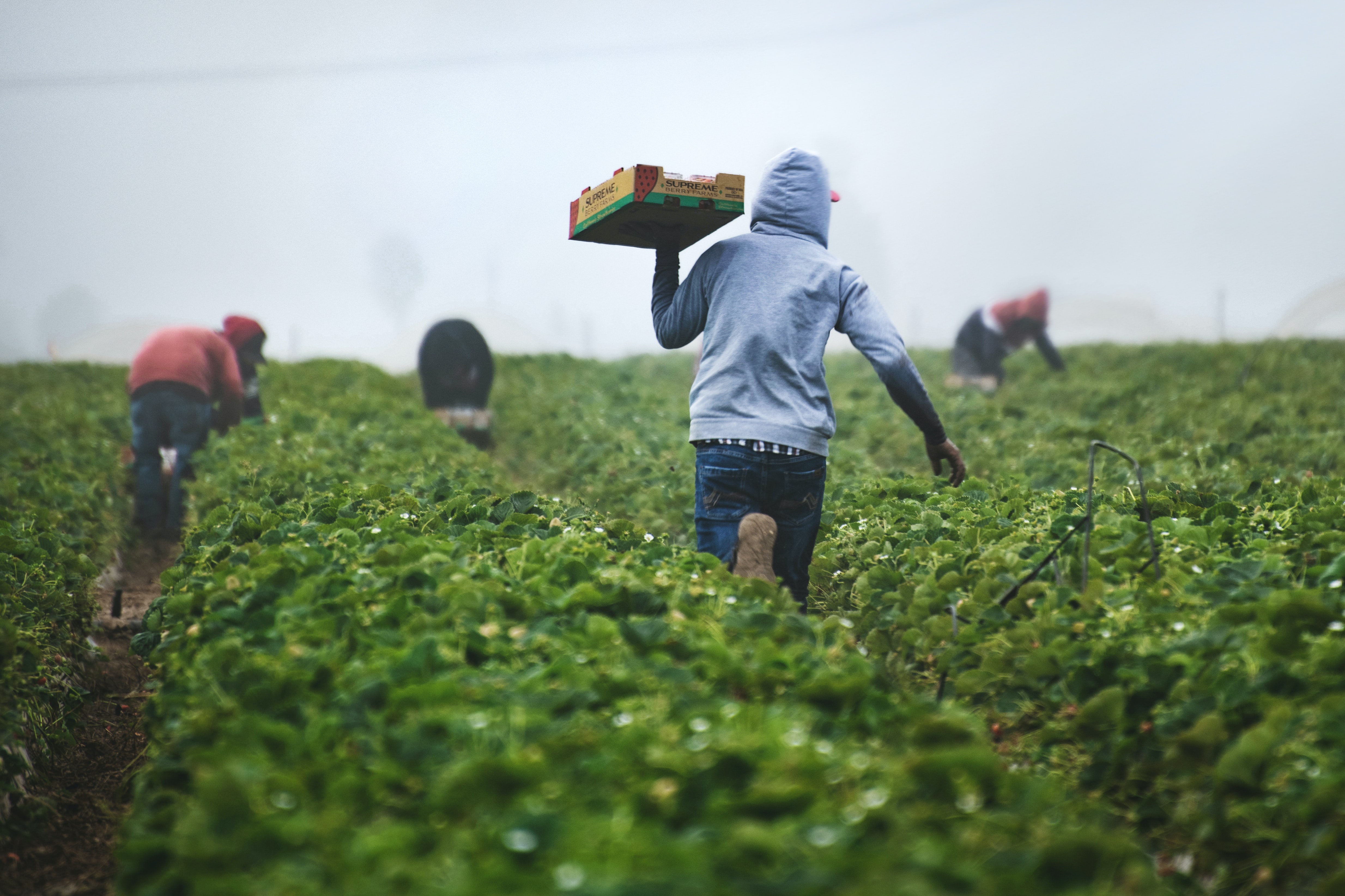
We rely on global supply chains for everything we use, and yet this system hides a brutal reality: over 17 million people are victims of forced labour in the private sector. From retail and hospitality to transition minerals and global food systems, long and complex supply chains are designed to maximise profit, leaving workers vulnerable to extreme labour rights violations. This exploitation is not a side effect, but a massive source of illegal profit – an estimated US$63.9 billion annually – that funds forced labour.
The accountability gap
The prevalence of forced labour has continued to grow despite growing global momentum to tackle it in recent years. Frontline civil society organizations (CSOs) are best positioned to confront forced labour, and yet they lack the power, resources and legal tools to challenge human and labour rights violations in line with local laws and international responsible business rights standards. This creates a dangerous accountability gap: the people working directly with exploited communities are excluded from leading the solutions.
The corporate accountability gap: South East Asia
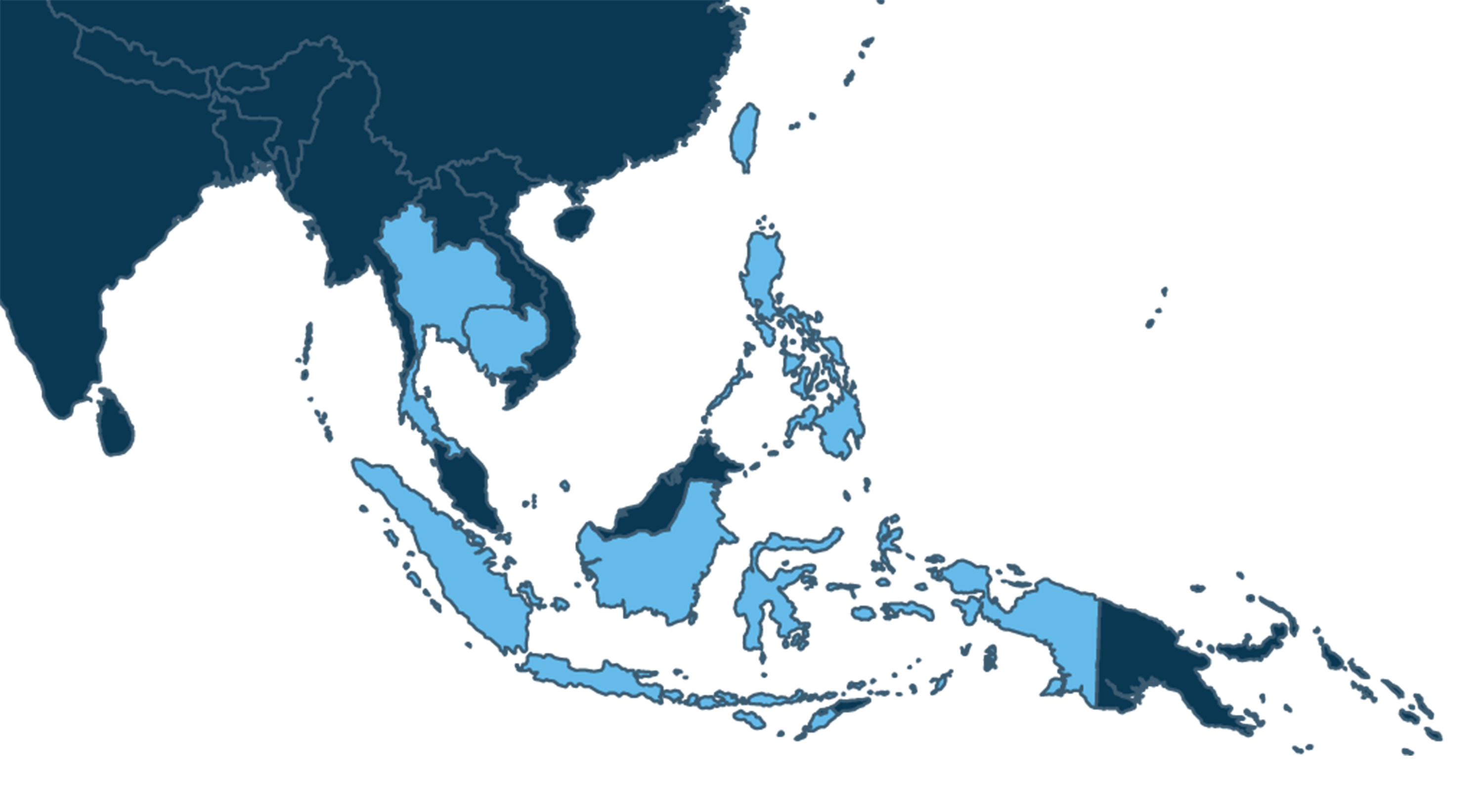
This crisis is acutely felt in South East Asia, the world’s production engine for major industries:
- Cambodia: Among the world’s largest clothing manufacturers
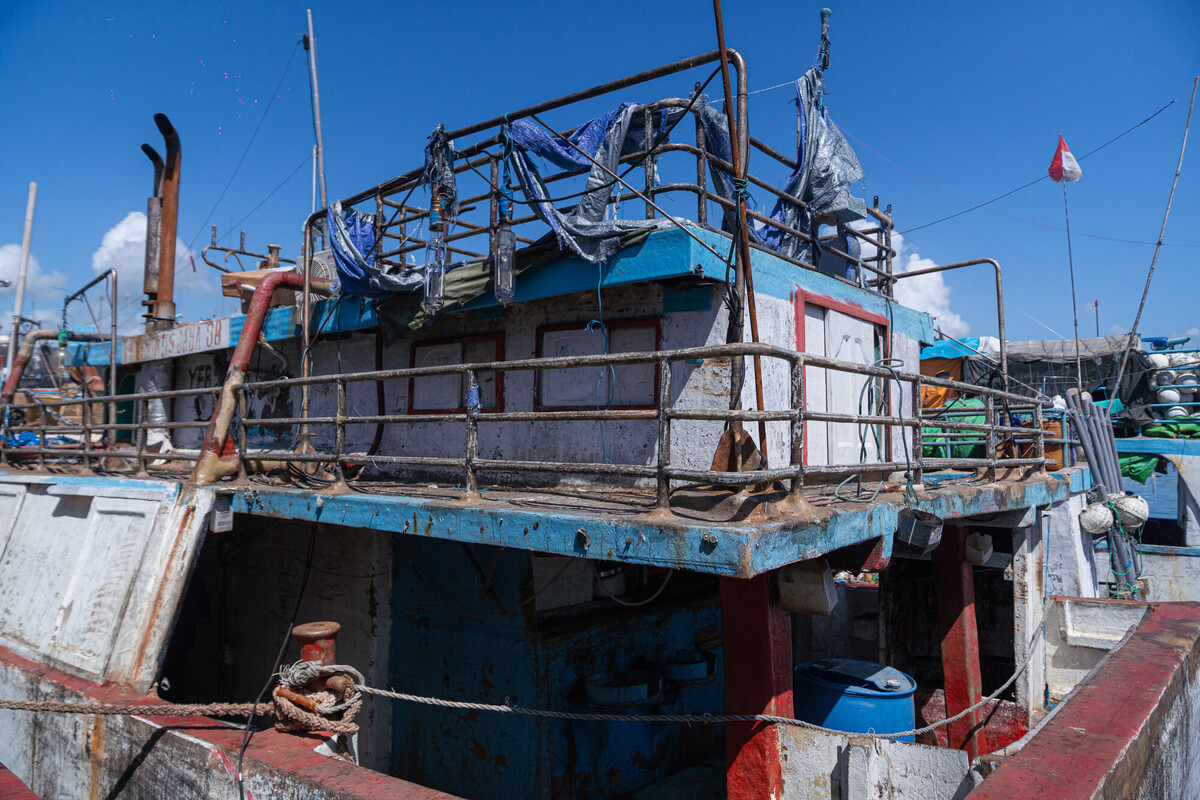
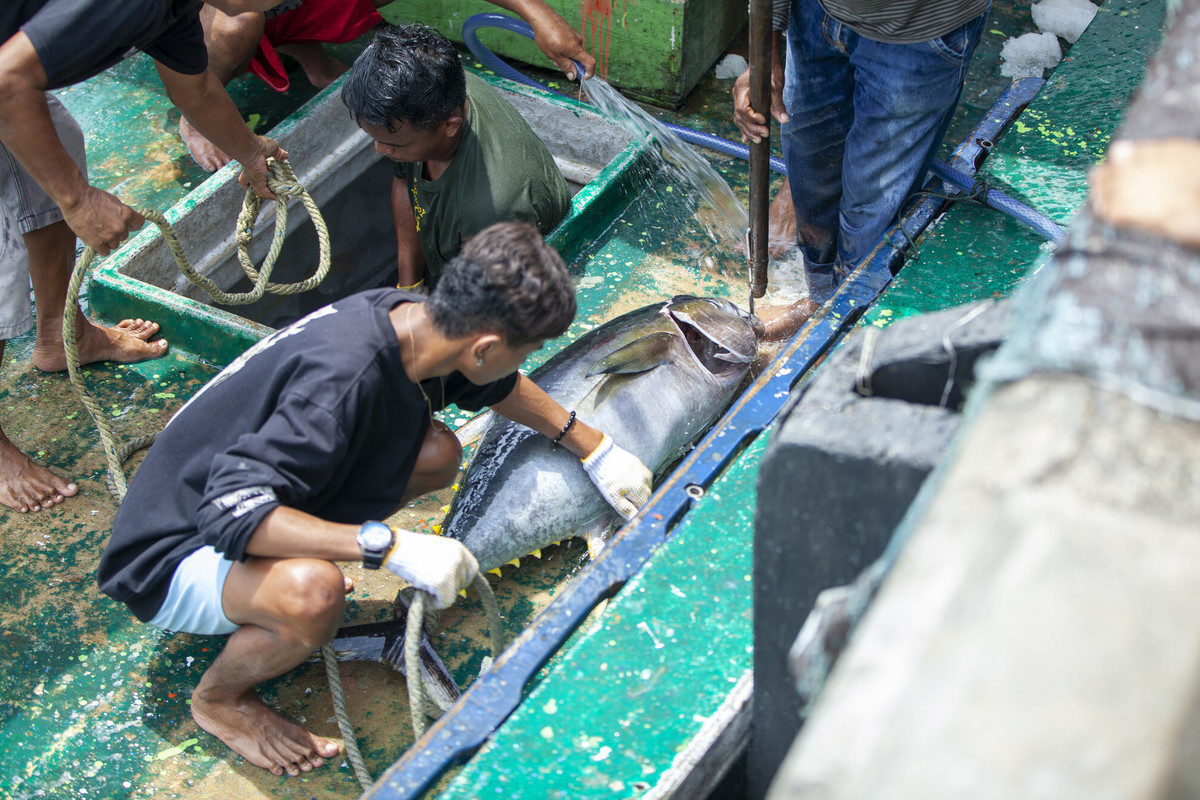
- Indonesia: World’s largest palm oil and nickel producer, and the second largest seafood producer
- Malaysia: Second-largest producer and exporter of palm oil globally, a major electronics manufacturer and a leading player in the manufacturing and export of rubber products
- The Philippines: World’s largest exporter of nickel ore, and a significant electronics manufacturer
- Taiwan: Hosts one of the world’s largest distant-water fishing fleets as well as being one of the world’s largest electronic hubs
- Thailand: A major exporter of vehicles, electronics and agricultural products
Every one of these large-scale sectors in the region have numerous and consistent documented cases of forced labour and severe rights violations.
The Corporate Accountability Ecosystem Program
The Freedom Fund is a strategic partner and convener for frontline CSOs and activists, including unions, lawyers, journalists, and women- and migrant-led initiatives. Its work addresses the barriers to corporate accountability across six key countries in South East Asia (Cambodia, Indonesia, Malaysia, the Philippines, Taiwan and Thailand). Our work is built on three pillars to empower local frontline leaders with the tools and resources they need to effect systemic change:
- Strategic financial support: Through our Seed Fund, we provide flexible, high-impact grants, totalling nearly US$500,000 over two cycles to 18 CSOs thus far. This funding supports everything the CSOs need to implement innovative corporate accountability strategies, from training workers and lawyers, to developing legal and advocacy strategies for CSOs.
- Targeted capacity building: We provide customised training and technical workshops – developed based on participant needs and priorities – covering complex subjects such as cross-border legal strategies and advanced supply chain tracing.
- Network building: We host regional convenings to strengthen national, regional, and international connections. This ensures local leaders can share knowledge, coordinate efforts, and amplify their impact.
By combining funding with regional convenings, technical workshops, and direct technical assistance, we are not just funding projects—we are building a coordinated, powerful ecosystem that can challenge human and labour rights violations across the region.
Measurable impact
Our interventions are already yielding critical results on the ground. The network has now grown to over 30 organizations across the six countries, fostering a unified regional front against forced labour. The participants are cascading best practices to their own staff and, critically, to their communities, empowering workers and union members to monitor and report rights violations directly. The Ecosystem Program has also created strong collaboration among legal advocates and local lawyers’ networks, enhancing the regional legal infrastructure necessary to take on transnational corporate cases.
Thus far, the Seed Fund has also enabled the following groundbreaking work that will set crucial legal and strategic precedents:
Responsible supply chains
The Ecosystem Program sits within Freedom Fund’s broader work on responsible supply chains, complementing country-specific initiatives in our hotspots in Indonesia and the Amazon and ongoing advocacy and litigation work across the Global North and South aimed at strengthening corporate accountability.