Key information
- Hotspot launch
- 2021
- Lives impacted
- 4,962
- Focus areas
-
- Child domestic work
- Child labour
- Human trafficking
- Gender-based violence
The Issue
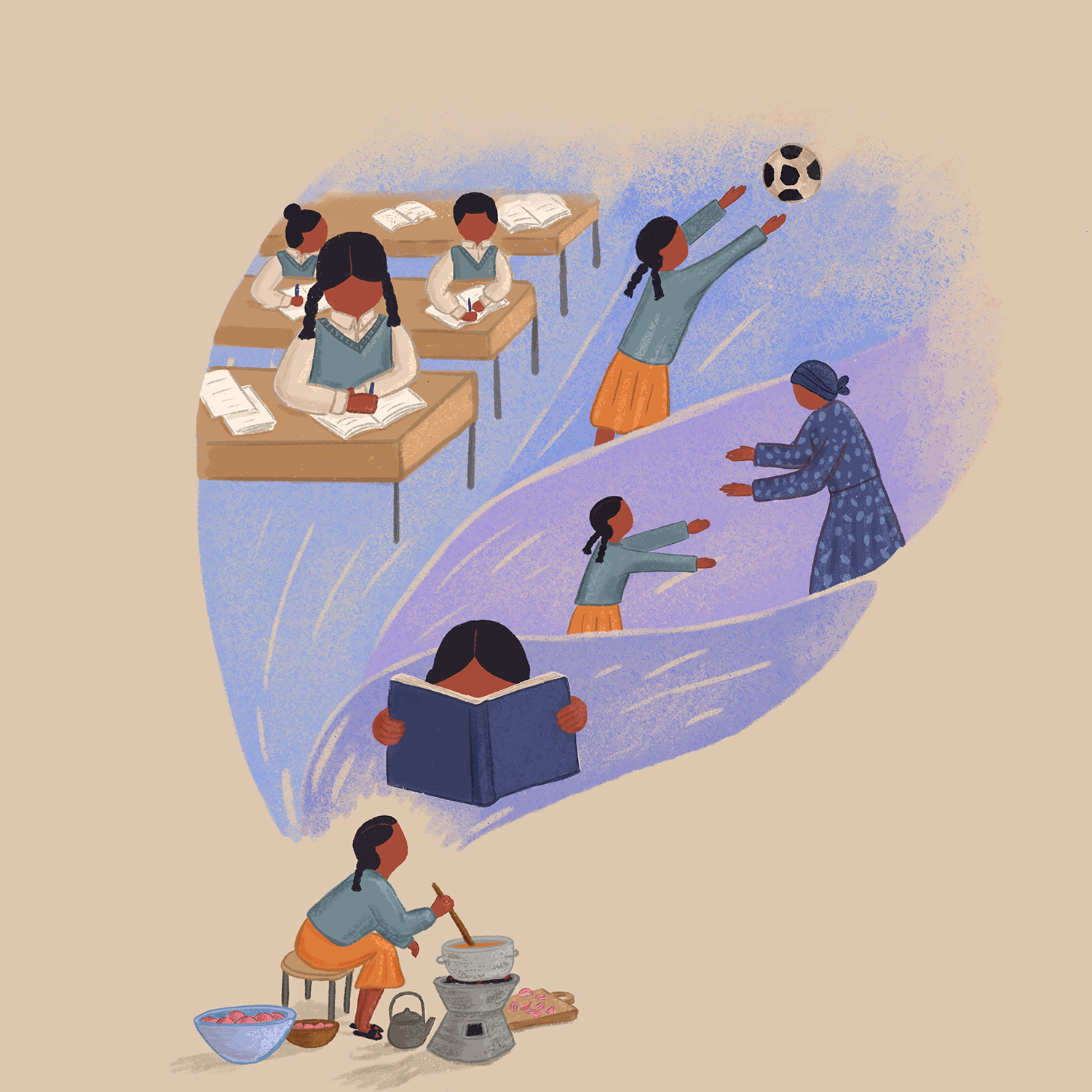
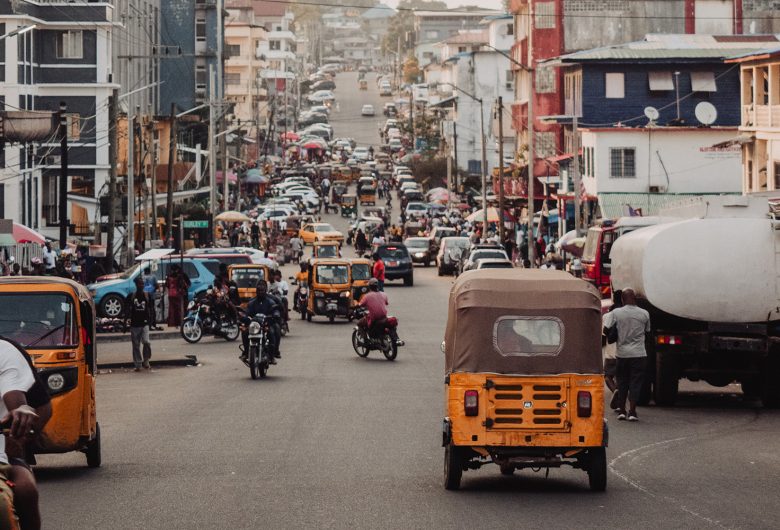
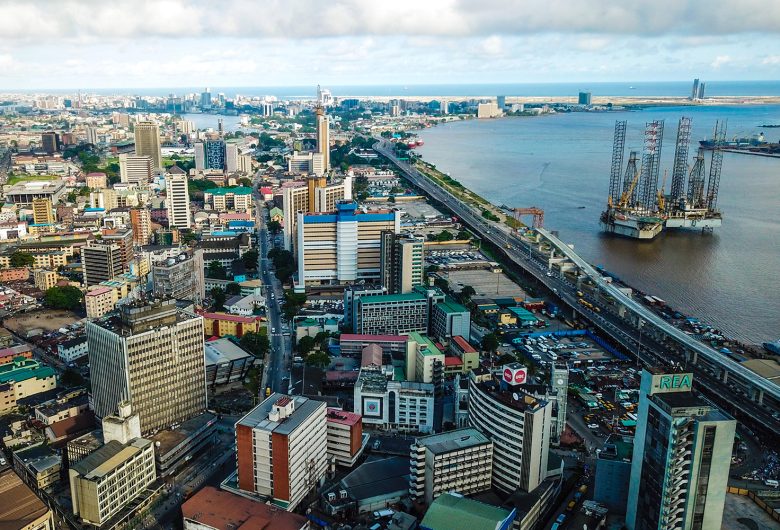
In Lagos, Nigeria, thousands of children are hidden behind the front doors of private homes, working in conditions that constitute modern slavery. According to FF research conducted in Lagos, 96.7% of child domestic workers (CDWs) in the region experience indicators of the worst forms of child labour, while 88.9% suffer from direct labour law violations such as working seven days a week without rest or exceeding 42 working hours per week. 61.1% of CDWs are girls, and many begin working as young as ten years old, often isolated in private homes where they are vulnerable to physical, emotional, and sexual abuse while being denied access to education.
Nigeria’s current legal framework fails to adequately protect children from the worst forms of child labor and lacks sufficient acknowledgment of exploitative domestic work. Nigeria has ratified key ILO conventions but maintains legal gaps. The Labour Act permits light work from age 12 and allows domestic work with family members at any age, falling short of international standards. Enforcement is limited, and CDWs remain largely invisible in national data and policy. The Nigerian government has made some progress by establishing monitoring committees and hiring labor inspectors, though legislative gaps remain the primary hurdle.





Informed by insight
Building on our inception phase, the hotspot program incorporates several critical lessons:
The power of local networks: We learned that strengthening the existing Child Protection Network (CPN) is more effective than creating new structures for reporting abuse.
Engaging “the hidden employer”: While direct aid to children is vital, systemic change requires targeted outreach to the middle-class families in Lagos who employ CDWs to shift their perception of “help” versus “exploitation”.
Education as a primary deterrent: Data from our pilot showed that providing immediate vocational or school enrollment is the single most effective way to prevent re-exploitation of children.
Flexible funding for partners: Investing in the organizational health of our local partners—through financial and safeguarding support—ensures they can respond rapidly to emergencies in high-density areas like Alimosho and Ikorodu.
Our approach
The Nigeria hotspot employs a multi-dimensional strategy to reduce the prevalence of exploitative CDW in five high-burden local government areas in Lagos. We partner with local grassroots organizations to provide direct services, including case management, vocational training, and psychosocial support for survivors. Beyond direct aid, the program focuses on systemic change by empowering survivor-led networks, engaging with employers to shift social norms, and advocating for the enforcement of the Lagos State Child Rights Law. During the program's pilot phase, the Freedom Fund engaged extensively with several government bodies to secure commitment for change. Our program is built on four strategic pillars designed to create a protective environment for child domestic workers in Lagos.

Direct support and protection
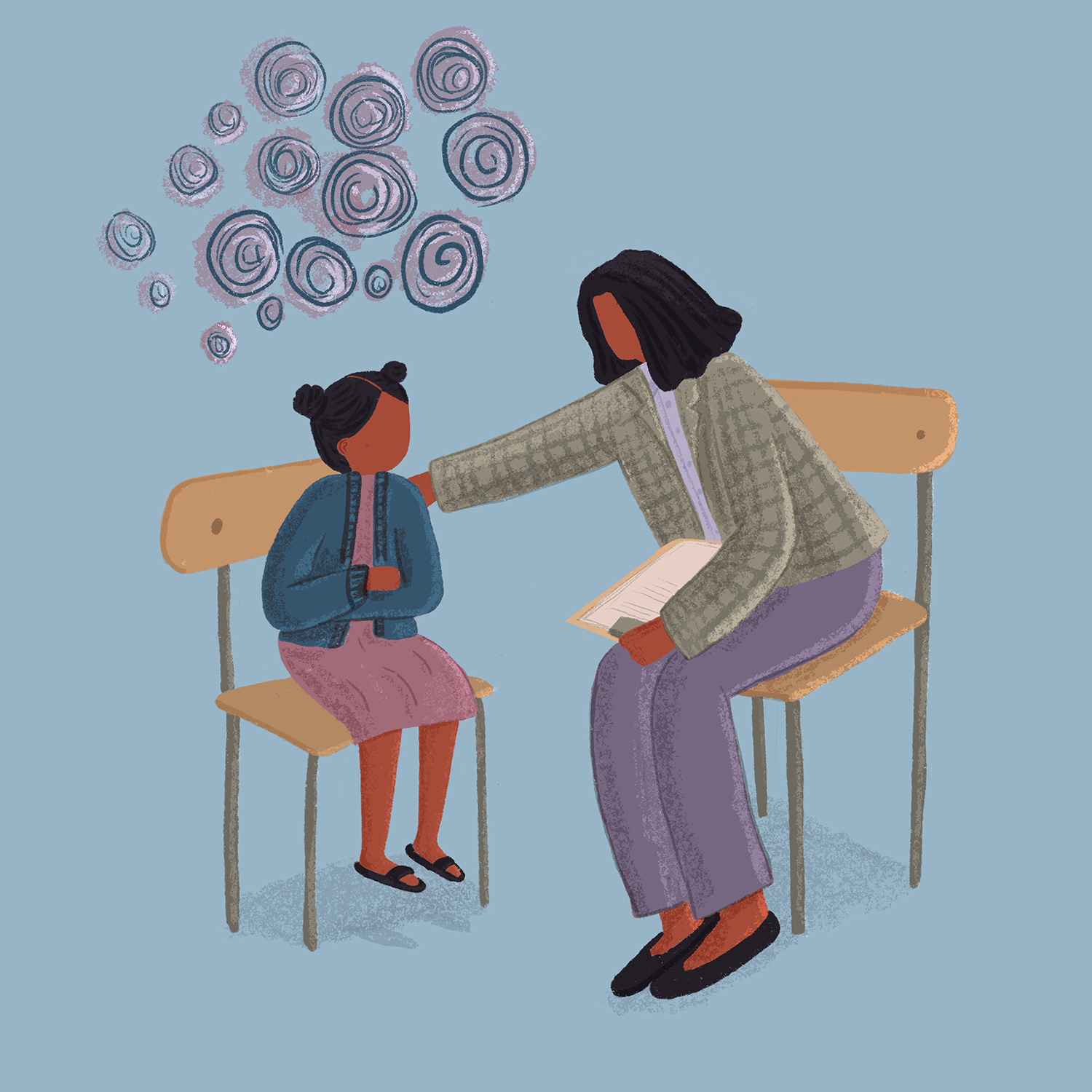
Providing survivors with case management, mental health services, and pathways back to education or vocational training.

Survivor leadership
Establishing a Survivor Advisory Council and peer networks to ensure those with lived experience lead our advocacy and program design.

Shifting social norms
Engaging with employers, recruitment agents, and parents to challenge the acceptance of exploitative labor and promote fair working conditions.

Policy and systems change
Partnering with the Lagos State Government to strengthen child protection reporting systems and ensure the enforcement of the Child Rights Law.
Behind closed doors
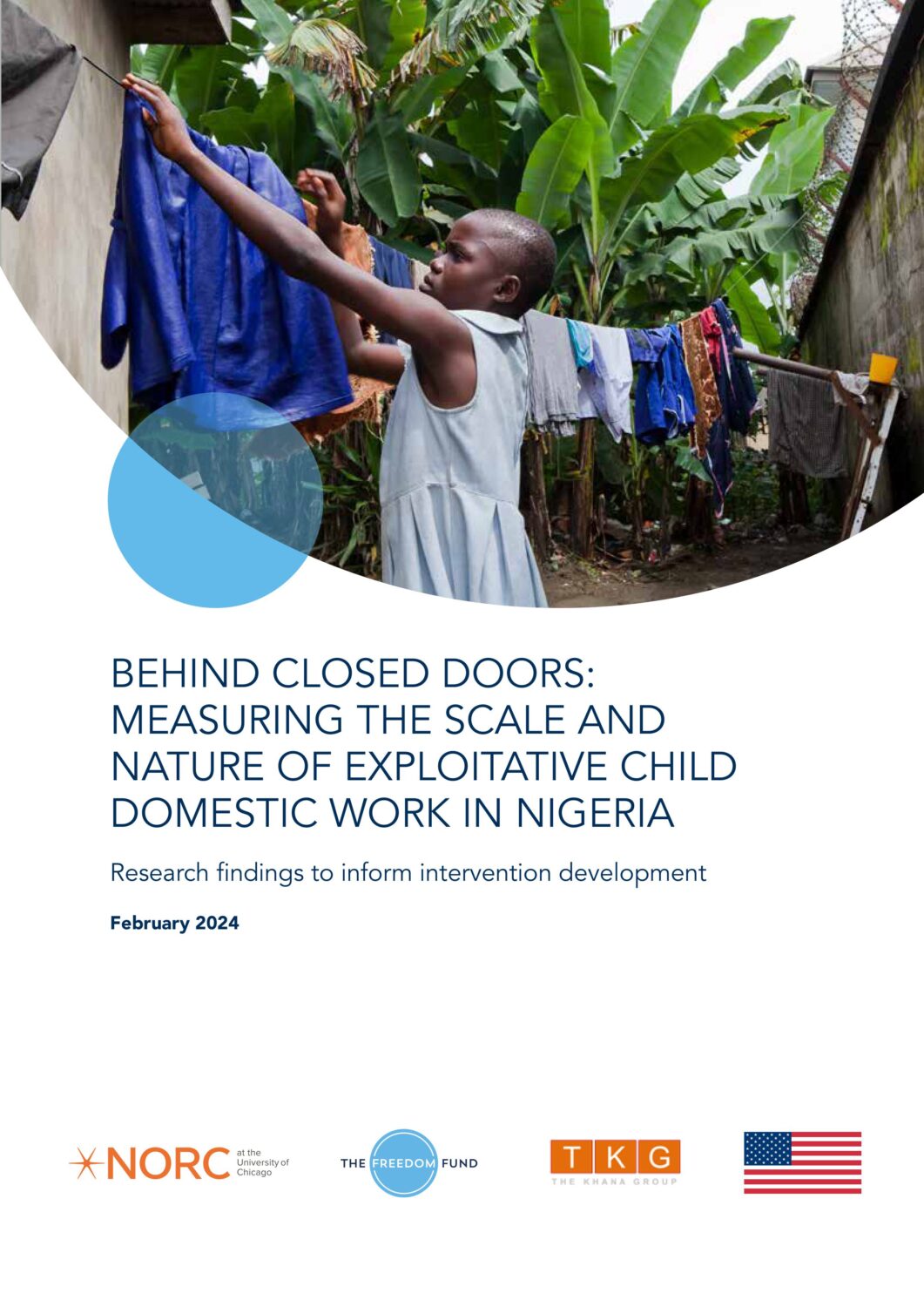
A study produced by NORC at the University of Chicago and The Freedom Fund is the first of its kind to examine the working conditions and treatment of child domestic workers in private homes in Edo and Lagos, Nigeria. This research and the wider program are funded by the U.S. Department of State’s Office to Combat and Monitor Trafficking in Persons.
The study found that a large proportion of CDWs in Nigeria are working long hours that leave them with limited time for rest, education or social activities. Despite the majority of CDWs sharing a kinship relationship with their employer, nearly 89% reported working conditions that contravene Nigerian laws. Additionally, many experience physical or sexual violence.
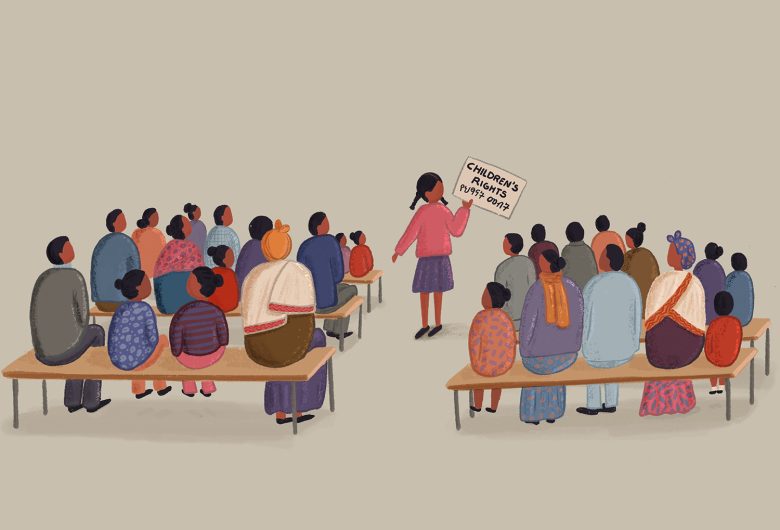
Behind closed doors: Measuring the scale and nature of exploitative child domestic work in Nigeria illustrates ways in which civil society can support interventions to start addressing barriers to education, such as alternative basic education or scholarships and bursaries, as well as basic life skills trainings for CDWs on children’s rights and how to seek help if they’re experiencing physical, psychological or sexual violence.
Our team

Ime Samuel-Etukudoh
Program Manager, Nigeria

Chika Valerie Nwabeke
Program Advisor, Nigeria
Meet Nneka: From exploitation to empowerment
In the bustling streets of Bariga, Lagos, 16-year-old Nneka (name changed for protection) was trapped in a cycle of exploitation and neglect. Living with her elder sister, who struggled to provide for them, Nneka was denied school and any chance to learn a skill. Financial hardship and unstable housing left her vulnerable, working long hours as a child domestic worker with no path to a brighter future.
Our dedicated case team received her referral and sprang into action. After a compassionate home visit and thoughtful discussions with Nneka and her guardian, we found a tailored solution: enrolling her in a private hairdressing training center right in her neighborhood—removing barriers like long commutes and transport costs.
With the gift from the US Government and support from the Freedom Fund, Hearts and Hand Humanitarian Foundation (3HF) covered all essentials: training fees, materials, and ongoing monitoring to ensure her safety and full participation. Community sensitization helped build acceptance and protection around her.
Today, Nneka is thriving! She’s attending classes regularly, mastering new skills, and beaming with newfound confidence. The risk of exploitation has dramatically decreased, her guardian is fully supportive, and Nneka is building a sustainable livelihood that will empower her for life.
This is the real impact of your generosity—one girl at a time. But thousands more child domestic workers in Lagos are still waiting for their chance.