
Welcome to the Freedom Fund’s monthly bulletin designed to bring you new and compelling research from the global anti-slavery movement.
Pakistani garment workers face barriers in accessing remedies
Global Rights Compliance analyses remediation pathways for workers in the garment industry in Pakistan, which employs 30% of the national workforce. A community-based monitoring programme reveals 11,604 labour violations including wage theft (24.8%), lack of employment benefits (18.8%), forced overtime (12.3%), and contract violations (16.5%). Identified barriers to accessing remedies include inadequate labour inspections, employer resistance and legal fees. The study highlights workers’ lack of awareness of their rights and the importance of trade union involvement in achieving remedies through negotiations with both employers and provincial governments.
Evidence on working conditions of migrants in fishing and seafood processing sector
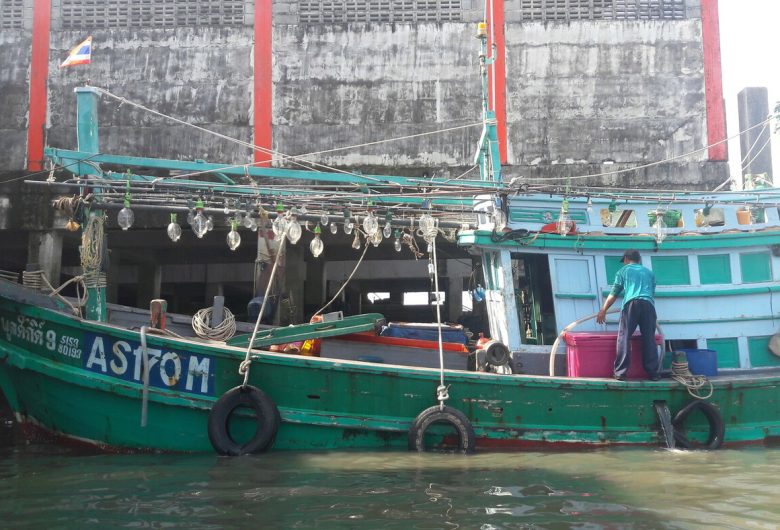
The International Labour Organization reports on the working conditions of migrants in South-East Asia’s fishing and seafood processing sectors. The study surveyed 1,262 return migrant workers (434 women; 62% fishers and 38% seafood processing workers) in Cambodia, Indonesia, Myanmar, and Viet Nam, and found that 61% of migrants financed recruitment fees (ranging from USD 360 for Cambodians to USD 8,730 for Vietnamese) through loans and wage deductions, 73% signed written agreements, and 50% said their employers held their legal documents. The study highlights that 13% experienced forced labour situations which were more common among migrant fishers, over a quarter experienced work-related injury, and only four percent were trade union members. It finds that no migrants sought help from authorities in destinations, highlighting challenges in accessing complaint mechanisms and legal services.
The landscape of global scam centres and fraud
The Global Initiative Against Transnational Organized Crime maps trends in enablers of scam centre operations across Latin America, Europe, South East Asia and Africa. Drawing on previous research, case studies and stakeholder interviews, the report outlines that scam centres operate in different forms, ranging from prisons to apartments and multi-story buildings. The report finds that scam centres thrive on political protection, and people recruited from local populations or trafficked from abroad are the lifeblood of their operations. It highlights that many scam centres are part of larger networked structures with international reach, making it easy to set up scamming operations in new countries, and that shutting down individual scam centres may not meaningfully affect their operations.
Deterring interest in technology-facilitated child sexual exploitation and abuse
A study led by the University of New South Wales examines men’s attitudes conducive to the technology-facilitated sexual exploitation and abuse of children. Drawing on nationally representative surveys of 4,918 men across Australia, the United Kingdom, and the United States, the study identifies three distinct attitudinal profiles: a larger group (78.9%) of participants who had a low probability of endorsing any attitudes conducive to child sexual exploitation, and two smaller groups that had a high probability of endorsing denial of abusiveness with significant sexual interest in children. The findings suggest that reinforcing the view that child sexual abuse is morally wrong may play an important role in prevention.
Narrative of child and forced marriage survivors and practitioners in the U.S.
University of Sheffield examines the nature and forms of coercion in the forced marriage of minors in the U.S. Drawing on 14 interviews with survivors and healthcare practitioners, the study identifies contextual factors that sustain child and forced marriage in the U.S., including direct coercive pressure from parents; socio-economic factors such as poverty, parental ill health, religious and socio-cultural norms, child abuse and neglect; and pregnancy-related exemptions to the minimum age of marriage. The study reflects on survivors’ help-seeking experiences, indicating the ineffectiveness of seeking help from social services or teachers compared with their strategies of marrying to escape parental neglect, abuse, and deprivation.
Read on
The Praxis Institute for Participatory Practices argues for a decolonial lens in research and evaluation frameworks that seek to amplify voices from the Global South. Readers may email the author to request access to the full copy.
Berlin School of Economics and Law examines the mobilisation of a complaint filed in Brazil by organised labour under the German Supply Chain Act.
Huntingdon College and Auburn University investigate the lived experiences of survivors of commercial sexual exploitation by considering the links between childhood background, trafficking experiences, and outcomes.
Freedom Fund news
The Survivor Leadership Fund is now accepting applications in Nepal. The fund provides flexible support to strengthen survivor-led organisations, including for program delivery, staffing, and operating costs. Apply by 4 May 2026.
Visit our Newsroom for more updates.
Research library
Visit our Slavery Research Library to access anti-slavery resources from across the globe.
Contact
Our team would love to hear from you. Email us at [email protected].
The Slavery Research Bulletin is produced monthly by the Freedom Fund, a global fund with the sole aim of helping end modern slavery.
Research being featured in this bulletin does not equal endorsement by the Freedom Fund.
Join the Slavery Research Bulletin mailing list.
Photo credit: Flora Negri/The Freedom Fund